Streets, Parks And Patios: Living In Dilworth
May 21, 2026
May 21, 2026
Looking for a Charlotte neighborhood where you can grab coffee, stroll to a park, and still feel the weight of local history around you? Dilworth stands out for exactly that reason. If you are considering a move here, or thinking about selling in the area, it helps to understand how Dilworth’s streets, green space, dining spots, and housing mix shape everyday life. Let’s dive in.
Dilworth is one of Charlotte’s oldest in-town neighborhoods. The City of Charlotte says it began in the 1890s as the city’s first suburb and was connected to downtown by Charlotte’s first electric streetcar. That early planning still shows up today in the neighborhood’s layout and character.
As a local historic district, Dilworth is known for curved roads, mature landscaping, large street trees, and varied architecture. Those details give the area a sense of place that feels different from newer neighborhoods. You notice it in the canopy, the lot patterns, and the way homes and streets relate to each other.
Dilworth also has a visible community identity. The Dilworth Community Association is an all-volunteer organization, and its traditions include the Dilworth Jubilee in Latta Park, an annual Home Tour, a community garden, and tree-canopy efforts. That helps explain why Dilworth often feels active and connected, not just architecturally interesting.
If Dilworth has a main daily corridor, it is East Boulevard. City historic-district standards note that most non-residential buildings and zoning in Dilworth are concentrated there. Over time, this historically residential corridor shifted toward more commercial use, which still shapes how people move through the neighborhood.
East Boulevard also helps define the local housing pattern. The city’s architectural survey says the boulevard and the parallel Dilworth Roads anchor the historic layout, with larger houses and apartment buildings on East Boulevard and a broader mix of homes across the district. That mix is part of what makes Dilworth feel layered rather than one-note.
For you as a buyer or seller, this matters because lifestyle can change from block to block. Some areas feel quieter and more tucked in, while others place you closer to coffee shops, restaurants, and everyday errands. In a neighborhood like Dilworth, location within the neighborhood can shape both routine and buyer interest.
One of Dilworth’s biggest draws is how easy it can be to get around without driving everywhere. The Blue Line Rail Trail is an 11-mile pedestrian and bicycle facility, and in some stretches it is lined with shops, restaurants, and outdoor seating. That supports the kind of daily routine many in-town buyers are looking for.
CATS lists the East/West Blvd Station at 1821 Camden Street, with bike racks, a covered waiting area, and Route 10 bus connections. For people who value transit access, this gives Dilworth another practical advantage. You are close to both neighborhood amenities and a wider Charlotte transportation network.
Walkability does come with tradeoffs. The City of Charlotte says growth in nearby South End has increased parking pressure in adjacent Dilworth, which is one reason a pilot residential parking permit program exists in the area. If you are buying here, that is the kind of day-to-day detail worth understanding early.
Latta Park is one of the clearest anchors of Dilworth living. Mecklenburg County lists it at 601 E Park Ave., and it is closely tied to neighborhood traditions, including the Dilworth Jubilee, a free family-friendly event that has been held since 1972. It is the kind of park that supports both routine use and community gatherings.
Tom Sykes Recreation Center is also within walking distance of Latta Park, which adds another layer of convenience for residents. Together, these amenities support an active, outdoor-friendly lifestyle right in the neighborhood core. That is a meaningful part of Dilworth’s appeal.
Freedom Park adds another nearby option. Mecklenburg County describes it as one of Charlotte’s top park destinations and notes that it is used for recreation programming and courts. For residents of Dilworth, that means you are not limited to one green space or one type of outdoor routine.
In Dilworth, outdoor life is not just about where you go. It is also about what surrounds you on the way there. The neighborhood’s mature canopy is one of its defining visual features, and the Dilworth Community Association says the Master Street Tree Plan was negotiated with the City of Charlotte to help preserve that look.
That kind of stewardship adds to the neighborhood’s long-term identity. It helps explain why the streets feel established and why the public realm often leaves such a strong impression on visitors. For sellers, those details can be part of what makes the area memorable to buyers.
The Dilworth Community Garden is another example of how green space is woven into neighborhood life. Located at 1300 Ordemore Ave., it includes 36 plots and donates surplus vegetables to the Dilworth Soup Kitchen. It is a small but meaningful detail that reflects how residents engage with the neighborhood beyond their own front yards.
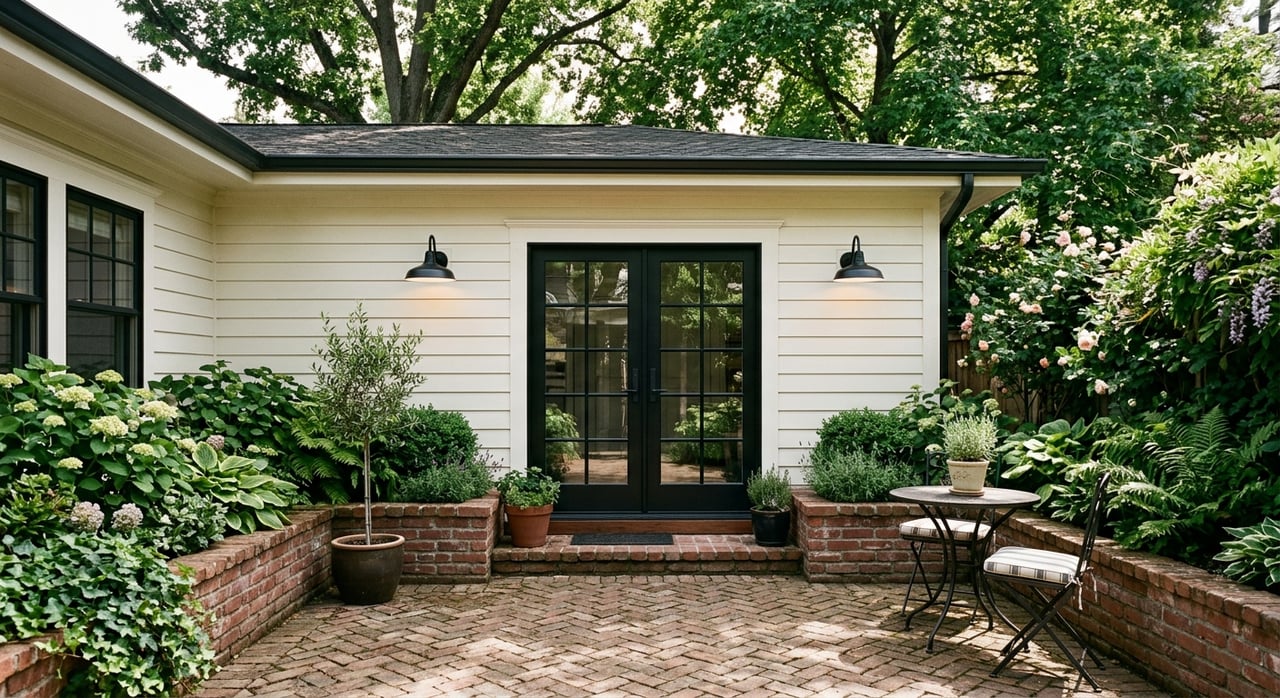
Dilworth’s social scene tends to feel casual and close to home. Current business pages show a concentration of places built around easy stops and relaxed gathering. That includes Backyard Brew at 1218 East Blvd. with walk-up service and indoor and outdoor seating.
Kid Cashew at 1608 East Blvd. highlights a large heated patio and dog-friendly seating. Dilworth Tasting Room lists its Dilworth location at 300 E Tremont Ave. Axios also reported in 2025 that 300 East remains a craftsman-style Dilworth fixture with patio seating.
Taken together, these spots suggest a neighborhood rhythm built around short walks, patio dinners, coffee runs, and informal meetups. That is an inference supported by the concentration of patio-oriented businesses, rail-trail access, and Dilworth’s in-town setting. If you value a neighborhood where daily life happens close to home, Dilworth checks that box.
Dilworth’s housing stock is historic, varied, and shaped by its long development pattern. The city’s survey report describes large houses and apartment buildings on East Boulevard, substantial bungalows on nearby streets, and a wider mix of revival dwellings, quadraplexes, and apartments throughout the district. That variety gives buyers more than one path into the neighborhood.
You are not looking at a single housing type here. Depending on the street and location, you may find classic bungalows, larger historic homes, multifamily buildings, or selective newer infill along mixed-use corridors and edges of the district. That range can be helpful for buyers with different budgets, space needs, and renovation goals.
For sellers, the variety also means pricing and positioning need a neighborhood-specific lens. Two homes in Dilworth may share a mailing address but appeal to very different buyers depending on block, condition, historic details, and proximity to East Boulevard or nearby amenities.
One of the most important practical points about Dilworth is that it is a local historic district. The City of Charlotte says exterior changes require Historic District Commission approval through a Certificate of Appropriateness. That can apply to renovations, additions, windows, fencing, and tree removal.
For buyers, this means due diligence matters. If you are hoping to make exterior updates, you will want to understand what review may be required before you buy. A home’s charm and historic status can be a major benefit, but it also comes with added process compared with a non-historic neighborhood.
For sellers, this is also useful context when preparing a home for market. Any past updates and the property’s relationship to historic-district standards can shape buyer questions. Clear guidance and thoughtful preparation can go a long way in a neighborhood where details matter.
Dilworth appeals to buyers because it combines historic character, practical walkability, neighborhood parks, and an easy social rhythm. You can see those strengths in the street layout, the access to East Boulevard and the Rail Trail, and the range of gathering spots woven into daily life. It offers an in-town experience that feels established rather than newly created.
It appeals to sellers for many of the same reasons. The neighborhood has a recognizable identity, strong visual character, and amenities that support demand from a wide set of buyers. When a neighborhood is this specific in feel, strong marketing and local positioning matter even more.
If you are thinking about buying or selling in Dilworth, working with advisors who understand Charlotte at the neighborhood level can make the process much smoother. The right strategy is rarely just about square footage or price per foot. In Dilworth, it is also about context, character, and how a home fits into the block and the district.
If you want help understanding Dilworth’s housing options, local market position, or what your next move could look like, connect with Mahool Nance Team.
Stay up to date on the latest real estate trends.