Is South End A Smart Move For First-Time Buyers?
May 14, 2026
May 14, 2026
Wondering if South End is the right place to buy your first home? You are not alone. For many first-time buyers in Charlotte, South End offers a hard-to-ignore mix of transit access, walkability, and city energy, but it also comes with higher prices and added condo or townhome costs. This guide will help you weigh the tradeoffs so you can decide if South End fits your budget, lifestyle, and long-term goals. Let’s dive in.
South End is one of Charlotte’s most lifestyle-focused urban neighborhoods, and the numbers reflect that. Current market data shows a median listing price of about $610,000, a median rent of about $2,125 per month, and only 8 homes for sale. Realtor.com also labels the area a seller’s market.
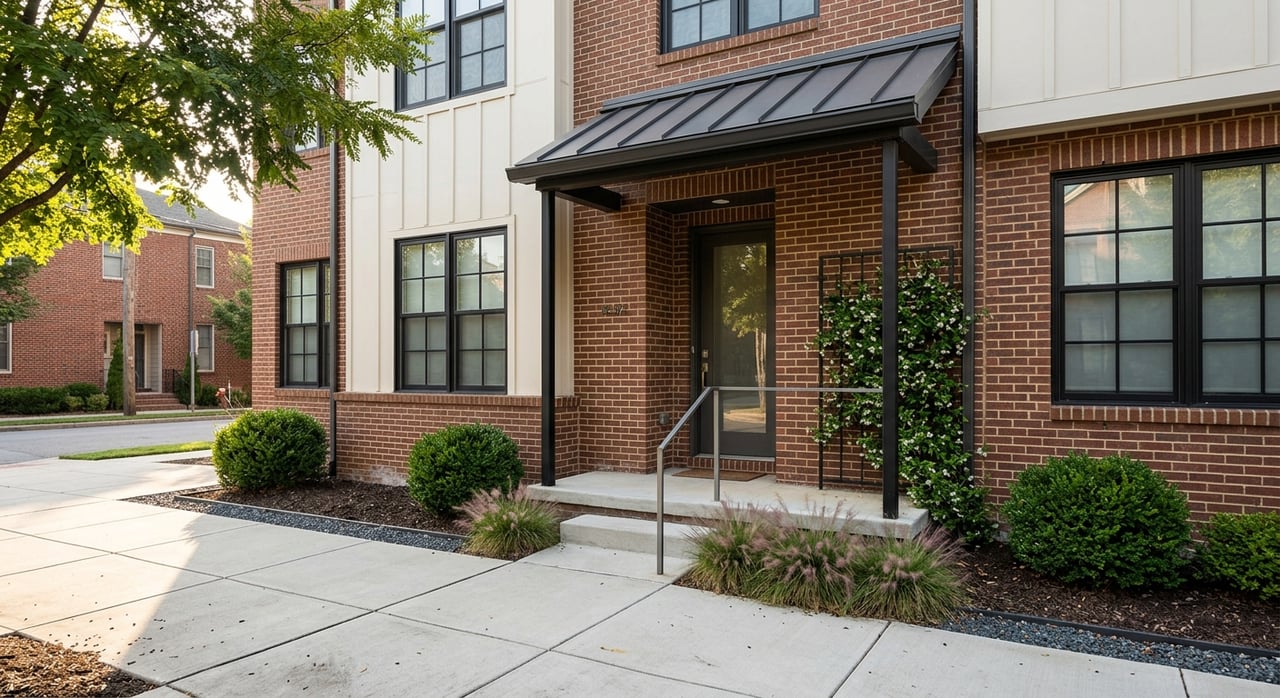
For first-time buyers, that matters because South End is not really an entry-level detached-home market right now. The more realistic path is usually an attached home, such as a condo or townhome, with median prices around $557,500 on current listings. That means your decision is often less about finding a bargain and more about deciding whether the location is worth the monthly cost.
South End stands out because of its connection to Charlotte’s transit system. CATS says the Blue Line runs 18.9 miles with 26 stations, and it passes through South End. That can make commuting simpler and give you more flexibility if you want to drive less.
The City of Charlotte also says the Rail Trail is an 11-mile pedestrian and bicycle facility that runs alongside the Blue Line and connects to 15 bicycle routes. In some areas, it sees more than 2,000 users per day. If being able to move around without relying on your car is high on your list, South End offers a setup that few Charlotte neighborhoods can match.
For many buyers, South End is not just about the home itself. It is about how the neighborhood changes everyday life. If you already rent nearby or spend a lot of time in the area, buying here can reduce commute friction and make a more car-light lifestyle possible.
That said, current construction matters. CATS reports rail-trail closures and single-tracking tied to South End Station work, along with pedestrian and trail connection improvements. If you are planning a move soon, it is smart to confirm current access and timing before assuming every route will be fully open right away.
South End can be attractive, but the monthly math is important. Using a 30-year fixed average rate of 6.37% for the week of May 7, 2026, plus Mecklenburg County’s property tax rate of 49.27 cents per $100 of assessed value, the rough monthly cost on a typical purchase is noticeably higher than current median rent.
A 20% down purchase at $557,500 works out to about $3,010 per month for principal, interest, and county tax before insurance and HOA dues. At $610,000, that rough estimate is about $3,031 per month before insurance and HOA. With 10% down on a $557,500 purchase, the estimate rises to about $3,358 before insurance and HOA.
Those figures also do not include Charlotte municipal taxes, solid-waste fees, homeowners insurance, HOA dues, or maintenance. In plain terms, buying in South End often costs roughly $900 to $1,200 more per month than renting at today’s median numbers. For many first-time buyers, that is the biggest factor in the decision.
Because South End leans heavily toward condos and townhomes, HOA dues are not a side note. They are part of your real monthly housing cost from day one. If you are buying in this area, you need to budget for HOA dues the same way you budget for mortgage payments and taxes.
The North Carolina Department of Justice warns that HOA owners can be surprised by fee assessments and restrictions on exterior changes. It recommends reading bylaws and covenants before buying and understanding how fees may change over time. That advice is especially important in a neighborhood where attached housing is often the main option for first-time buyers.
North Carolina’s Condominium Act requires key disclosures. The public offering statement must include details such as the association budget, reserve assumptions, common expense assessments, monthly assessments, insurance coverage, fees, charges, and other material items. For a resale, the owner must provide monthly common expense assessments and other fees.
That means your review period is not just about the unit. It is also about the financial condition and rules of the association. A lower purchase price can feel appealing, but if dues are high or reserves are thin, the total cost picture can change quickly.
South End can absolutely make sense for a first-time buyer, but only for the right buyer profile. If you care most about living close to transit, having strong walkability, and enjoying an urban routine, paying more each month may feel worth it. In that case, you are buying more than square footage. You are buying convenience and a specific kind of daily experience.
This is especially true if you already know the area fits how you like to live. Some buyers are happy to trade a larger home or lower payment for easier commuting and better access to Charlotte’s urban core. If that sounds like you, South End may still be a smart long-term move.
If your main goal is keeping monthly costs as low as possible, South End is a harder case to make right now. The current gap between renting and buying is meaningful. Unless you have a larger down payment, find a lower-priced unit, or are comfortable stretching for the location, the numbers may point you elsewhere.
That does not mean South End is a bad market. It means it is a market where you need to be very clear about what you are paying for. First-time buyers who focus only on the list price can underestimate the full monthly picture.
If you like close-in Charlotte living but want to compare your options, South End sits near the middle of the urban price range based on current median listing prices.
| Neighborhood | Median Listing Price | Median Rent |
|---|---|---|
| South End | $610,000 | $2,125 |
| Center City | $550,000 | $1,953 |
| NoDa | $499,900 | $1,631 |
| Dilworth | $650,000 | $2,512 |
| Wilmore Historic District | $699,000 | $2,399 |
| Plaza Midwood | $927,500 | $1,648 |
Based on those numbers, South End is generally less expensive to buy than Dilworth, Wilmore Historic District, and Plaza Midwood. It is typically more expensive than NoDa and Center City. If you want a similar urban feel but need to lower your target payment, NoDa or Center City may be worth a closer look.
Before you decide, it helps to pressure-test your budget and priorities. Ask yourself:
Clear answers to those questions can keep you from buying based on excitement alone. They can also help you feel more confident if South End truly is the right fit.
South End can be a smart move for a first-time buyer, but it is rarely the cheapest move. Today’s market points to a neighborhood where you are paying a premium for location, Blue Line access, and walkability, not for entry-level pricing or maximum space. For the right buyer, that trade can make perfect sense.
If you want lower monthly costs, renting longer or looking at nearby neighborhoods may be the better financial play right now. But if your budget supports an attached home, and you value South End’s lifestyle enough to accept HOA oversight and a higher monthly payment, buying here can still be a strong first step.
If you want help comparing South End with other close-in Charlotte neighborhoods, or you need a realistic look at what your monthly payment could be, the Mahool Nance Team can help you think it through with clear, local guidance.
Stay up to date on the latest real estate trends.