A Day In Dilworth: Walkable Living Near Uptown
June 4, 2026
June 4, 2026
What if your everyday routine could include a park walk, a coffee stop, lunch on foot, and a quick trip into Uptown without feeling tied to your car? That is part of what draws buyers to Dilworth. If you are looking for a close-in Charlotte neighborhood with historic character, green space, and practical access to shops and transit, this guide will help you picture how life here really works. Let’s dive in.
Dilworth dates back to the 1890s and is widely recognized as Charlotte’s first suburb. It grew with the city’s first electric streetcar, and its early planning still shapes the neighborhood today.
As a local historic district listed on the National Register of Historic Places in 1987, Dilworth stands apart from newer subdivisions. Its curved roads, mature trees, and long, narrow lots create a pedestrian-oriented layout that feels established and connected.
Charlotte’s design standards describe a lush, garden-like atmosphere across much of the district. Homes often sit closer to the street, with larger rear yards, which helps create blocks that feel comfortable to explore on foot.
A typical day can start outdoors. Latta Park, at 601 E Park Ave., gives you an easy option for a walk, run, or relaxed start to the day, and the Tom Sykes Recreation Center is nearby.
If you want a longer outing, Freedom Park is also close enough to be part of your weekend routine. Having more than one major green-space option nearby is a big part of Dilworth’s appeal.
After that, East Boulevard naturally becomes part of the morning flow. Because non-residential buildings are concentrated there, it works as Dilworth’s walkable main street, where daily errands, breakfast, and neighborhood stops can fit into the same trip.
If you are trying to picture daily convenience, East Boulevard is central to the story. Historically one of the neighborhood’s major avenues, it now carries much of Dilworth’s commercial activity.
That matters because walkability is not just about sidewalks. It is also about whether useful destinations are close together, easy to reach, and woven into the neighborhood in a natural way.
In Dilworth, East Boulevard helps make that possible. It is the corridor that supports a lifestyle with cafés, restaurants, and neighborhood retail near the historic residential fabric.
By midday, Dilworth’s access to the Little Sugar Creek Greenway and the Blue Line Rail Trail adds another layer of convenience. Mecklenburg County says Little Sugar Creek Greenway runs for more than 17 miles as part of the Cross Charlotte Trail.
The City of Charlotte describes the Blue Line Rail Trail as an 11-mile pedestrian and bicycle facility. In some sections, it is lined with shops, restaurants, outdoor seating, and games, and some locations see more than 2,000 users per day.
That network helps explain why Dilworth often feels easy to navigate without making every trip a driving trip. You can often combine movement, errands, and a meal into one route instead of treating them as separate events.
The city also notes that development rules often require direct connections from nearby buildings to the trail. That integration is one reason newer residential and mixed-use areas nearby feel tied into the larger pedestrian network.
One of Dilworth’s biggest advantages is that it offers close-in living without requiring a fully downtown setting. If you want quick access to center city Charlotte, the neighborhood’s transit connections help support that lifestyle.
East/West Blvd Station at 1821 Camden Street includes bike racks, a lighted platform, seating, and Route 10 bus connections. For buyers who want options beyond driving alone, that is a meaningful part of the neighborhood’s appeal.
Charlotte is also expanding its Uptown CycleLink program to connect more than 40 miles of bikeways into and across center city. Taken together, these transportation options support a car-light routine for many residents, even if they do not eliminate the need for a car entirely.
This is an important distinction for buyers. Dilworth is genuinely walkable, especially near East Boulevard, the Rail Trail, and the park network, but it is not best described as a no-car neighborhood.
Instead, the lifestyle here is more balanced. Walking, biking, and light rail can supplement driving in a practical way, which is often exactly what buyers want.
That balance can be especially appealing if you like older neighborhoods and urban convenience but do not want the intensity of a fully dense downtown core. Dilworth gives you access and activity while still feeling residential.
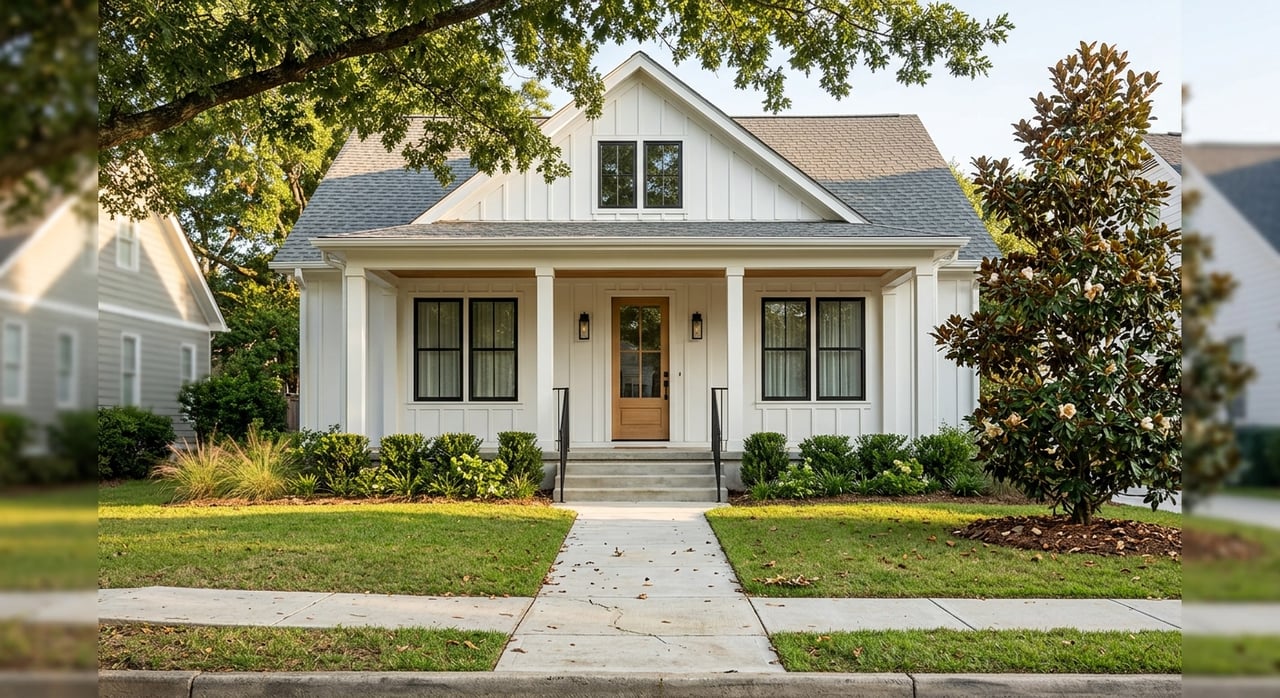
Dilworth’s housing mix is part of what keeps the neighborhood interesting. The architectural survey describes bungalows, historic revival dwellings, 1920s quadraplexes, and apartment buildings as part of the area’s fabric.
Alongside those historic forms, today’s market mix can also include single detached homes, townhouses, and modern lofts. That gives buyers a wider range of options than they might expect in a historic neighborhood.
If you love character, you may be drawn to original bungalows or older detached homes. If you want a more low-maintenance setup, attached options may give you a way to enjoy the location with a different ownership experience.
Dilworth’s historic identity is not just visual. It also affects what owners can do with visible exterior changes.
The City of Charlotte says a Certificate of Appropriateness is required before construction begins on a property in a local historic district. For buyers considering additions, porch changes, window replacements, or other exterior work, that should be part of your due diligence early in the process.
This does not mean ownership is overly complicated, but it does mean planning matters. If you are buying for both lifestyle and long-term investment, understanding those expectations up front can help you make a more confident decision.
Every neighborhood has tradeoffs, and Dilworth is no exception. One of the most practical is parking.
Charlotte includes Dilworth in its residential parking permit program, and the city has identified the area as one where South End growth has increased curb demand. In everyday terms, that means curbside parking may feel more managed here than in a more suburban setting.
For many buyers, that tradeoff is worth it because of the neighborhood’s parks, trails, transit access, and close-in convenience. Still, it is smart to think through how you use parking now and how that would translate to daily life in Dilworth.
Dilworth tends to appeal to buyers who want character and convenience in the same place. If your ideal neighborhood includes historic homes, mature trees, walkable daily routines, and easier access to Uptown, this area may deserve a close look.
It can also work well if you want choices in how you move around. The combination of sidewalks, greenways, Rail Trail access, and light rail gives you flexibility that many neighborhoods simply do not offer.
At the same time, it is helpful to go in with clear expectations. Historic-district guidelines and managed parking are real factors, and they should be weighed alongside the neighborhood’s many lifestyle strengths.
Whether you are buying your first place in the area, relocating to Charlotte, or selling a home in one of the city’s most recognized historic districts, neighborhood-level guidance matters. The right strategy starts with understanding how Dilworth actually lives day to day, not just how it looks on a map.
If you want help evaluating Dilworth from a buyer’s or seller’s perspective, the senior-led advisers at Mahool Nance Team can help you compare options, understand the tradeoffs, and make a confident move.
Stay up to date on the latest real estate trends.