Considering A Historic Home In Eastover?
May 7, 2026
May 7, 2026
Are you drawn to Eastover’s classic brick facades and timeless curb appeal, but unsure what comes with buying an older home there? That hesitation is understandable, especially in a neighborhood where architecture, condition, and local rules can all shape your decision. If you are considering a historic home in Eastover, it helps to know what makes the area special, what to inspect closely, and how to separate charm from costly surprises. Let’s dive in.
Eastover began in 1927 and developed as an early automobile-oriented suburb southeast of Charlotte’s center city. Its curving streets, large lots, and long-standing residential character still help define the neighborhood today. For many buyers, that planning history is part of the appeal.
The neighborhood is also home to Mint Museum Randolph, which opened in Eastover in 1936. It is best understood as a cultural and prestige anchor for the area, not a guaranteed source of value by itself. In practice, Eastover’s appeal comes from a mix of architecture, location, and the condition of each individual property.
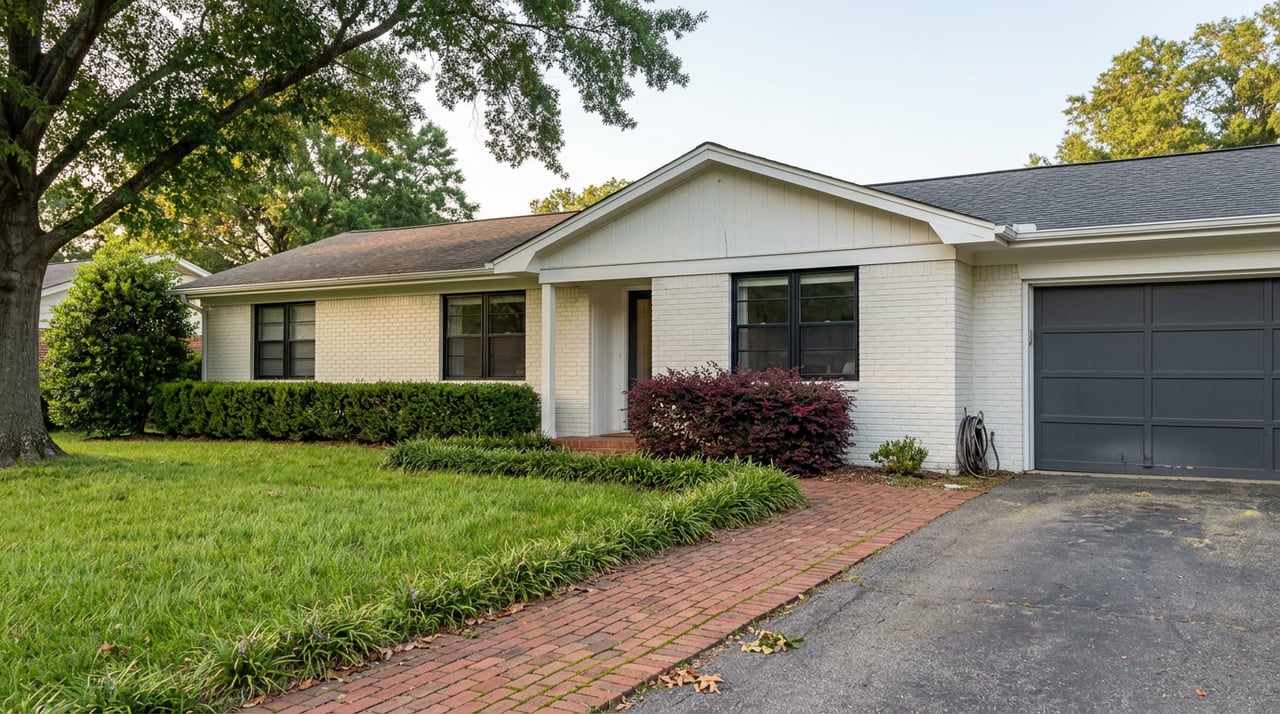
Eastover’s early homes are known for strong architectural consistency. Red-brick Georgian Revival is especially common, with Tudor Revival also playing a major role in the neighborhood’s early identity. You may also see Colonial Revival homes and later traditional or Ranch-style infill.
Many of the earliest homes were built starting in 1928, and the core pattern was established by the early 1930s along streets including Cherokee, Colville, Eastover, Fenton, and Hempstead. Early style controls helped preserve a cohesive look, which is one reason Eastover still feels visually unified today.
Some well-known properties help show the range of historic character in the area. The Hamilton Jones House stands out as an early Tudor Revival example, while the Alexander-Howell House is identified as one of the first houses built in Eastover. Nearby, the Pharrsdale Historic District at Eastover’s southern edge offers another point of comparison for buyers drawn to older Colonial Revival and Tudor Revival homes.
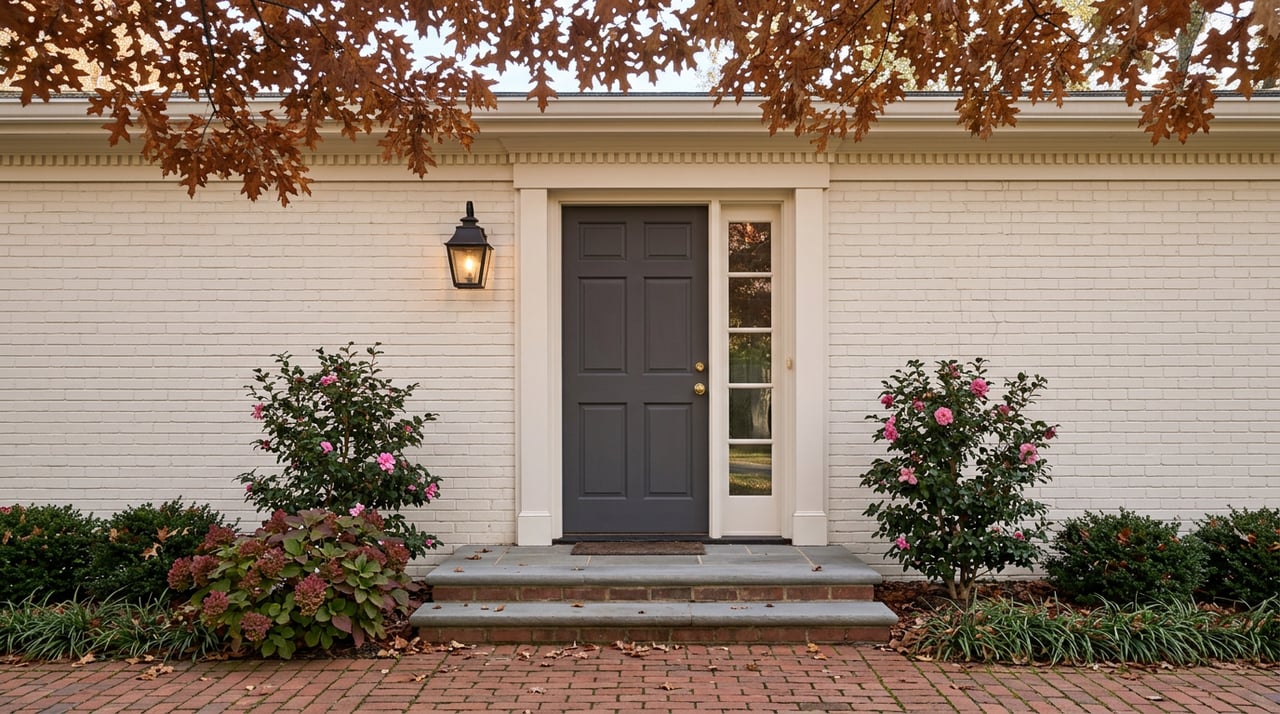
Before you fall in love with paint colors, windows, or a brick entry path, ask what kind of property you are actually buying. In Eastover, an older home is not always subject to the same rules as a local landmark or a property within a local historic district. That distinction matters more than many buyers realize.
A home may simply be older, it may be a designated local landmark, it may sit inside a local historic district, or in some cases it may involve more than one layer of review. National Register status is different from local regulation and does not by itself place federal restrictions on what a private owner may do. The practical takeaway is simple: check the exact parcel status early.
If a property is inside a Charlotte Local Historic District, a Certificate of Appropriateness is required before many exterior changes begin. Charlotte says this can include work involving windows, doors, fencing, tree removal, and some site changes. That can affect both your renovation plans and your timeline.
Routine in-kind repair is treated differently. For example, re-roofing with matching materials generally does not require approval. If the property is a designated local historic landmark in Mecklenburg County, material alterations also require review, and the process distinguishes between minor and major work.
In some cases, a property can require two approvals. If a home is both a local landmark and inside a local historic district, you may need review from both levels before moving forward. That is why buyers should verify the rule set before assuming a project will be quick or straightforward.
North Carolina home inspections are visual and noninvasive. They cover major areas like structure, roofing, plumbing, electrical, heating, interiors, and insulation or ventilation, but they are not technically exhaustive. In a historic home, that means the inspection often starts the conversation rather than ends it.
If the report flags concerns, expect follow-up evaluation from the right specialist. That is especially important in a neighborhood where many homes were built decades before modern building standards. A beautiful presentation can coexist with aging systems behind walls, under floors, or in attic spaces.
Moisture is one of the most important maintenance themes for older homes in North Carolina. NC State Extension recommends checking crawlspaces for leaks, keeping indoor humidity below 60 percent, and making sure gutters and downspouts move water away from the house. These basics can have a major impact on long-term condition.
Moisture issues can also contribute to mold growth and create conditions that support carpenter ants, powderpost beetles, and termite activity. If you are evaluating an older Eastover home, pay close attention to signs of water intrusion, damp crawlspaces, musty odors, or drainage problems around the foundation.
Older homes often need extra scrutiny when it comes to electrical and plumbing. North Carolina inspection standards call for review of service entrance conductors, panel equipment, receptacles, GFCIs, water supply and drain systems, water heaters, fuel distribution, and sump pumps where present. Those are all areas where age and updates can vary widely from house to house.
The standards also require reporting on readily accessible single-strand aluminum branch wiring, along with the presence and function of smoke and carbon monoxide alarms. In practical terms, you want to know not just whether a system works today, but whether it reflects thoughtful updating over time.
For older Eastover homes, lead-based paint is a real due-diligence item. According to EPA data, 87 percent of homes built before 1940 and 24 percent of homes built from 1960 to 1978 contain some lead-based paint. Most pre-1978 housing also requires lead-paint disclosure before sale.
Asbestos is another concern to handle carefully. EPA guidance advises treating suspect asbestos-containing materials as something to sample only if they are damaged or likely to be disturbed during renovation. For buyers, this means the question is not just whether asbestos may exist, but whether your future plans could trigger testing or abatement needs.
Historic homes can offer extraordinary character, but they often come with ongoing maintenance that is different from newer construction. A well-kept Eastover property may still require near-term budgeting for roof repairs, crawlspace improvements, HVAC updates, plumbing work, or electrical improvements. The goal is to understand the ownership rhythm before you commit.
That does not mean every older home is a project. Some have been updated carefully over time, while others need more immediate investment. The smart move is to weigh aesthetic appeal against the real condition of the systems and structure.
Eastover sits firmly in Charlotte’s luxury tier. As of March 31, 2026, Zillow reported an average home value of $2,274,574, while Realtor.com reported a median listing price of $2.35 million, about 33 days on market, and 18 active listings. That context matters if you are comparing Eastover to other close-in Charlotte neighborhoods.
In a market like this, value is rarely about one feature alone. Buyers are often paying for a blend of architectural character, lot size, location, neighborhood identity, and proximity to cultural anchors like the Mint Museum. Still, condition remains a major variable, especially with older homes where deferred maintenance can be expensive.
That is why two homes with similar style and location can feel very different in value. One may offer preserved character with updated systems, while another may need substantial work behind the scenes. In Eastover, the details matter.
If you are serious about a historic home in Eastover, keep your evaluation focused on the issues that most often affect ownership:
Buying in Eastover is rarely a simple yes-or-no decision. It is usually a question of fit: the right house, the right condition, the right rule set, and the right plan for how you want to live in the home. When you understand those layers clearly, you can move forward with much more confidence.
That is where neighborhood-level advice becomes especially valuable. In a luxury market with older housing stock, you benefit from guidance that looks beyond listing photos and helps you evaluate how charm, condition, and long-term upkeep work together. If you are weighing a move in Eastover, connect with the Mahool Nance Team for personalized guidance rooted in Charlotte neighborhood expertise.
Stay up to date on the latest real estate trends.