Plaza Midwood Old vs New Homes: Which Fits You?
March 5, 2026
March 5, 2026
Torn between the charm of a Plaza Midwood bungalow and the convenience of a sleek new build? You are not alone. Both options offer real advantages in this neighborhood, and the right fit comes down to how you live, what you want to maintain, and how you value character vs convenience. In this guide, you will learn how each product type stacks up on layout, cost of ownership, maintenance, warranties, and long-term value so you can choose with confidence. Let’s dive in.
Plaza Midwood sits just northeast of Uptown Charlotte and blends a historic core with modern infill and lively commercial corridors. The neighborhood’s rough edges include The Plaza and Parkwood to the north, Central Avenue to the south, Hawthorne Avenue to the west, and Briar Creek plus Charlotte Country Club to the east. You can get a quick feel for the area’s character and history by reviewing the neighborhood’s overview from the Plaza Midwood Neighborhood Association.
Parts of Plaza Midwood fall inside a locally designated historic district. If a home is inside that district, the Historic District Commission oversees demolition and exterior changes, which helps preserve the streetscape and limits tear-down pressure. You can review the city’s policies and approval process on the City of Charlotte’s Historic District page.
On values, public sources show Plaza Midwood’s typical home value near the high 700s as of late January 2026, and recent snapshots of median sales have ranged around the upper 700s to low 800s depending on the month and the data window. Inventory is often thin, so a few sales can swing medians. For decisions on a specific home or block, you will want multi-month trend lines and recent MLS comps rather than a single monthly figure.
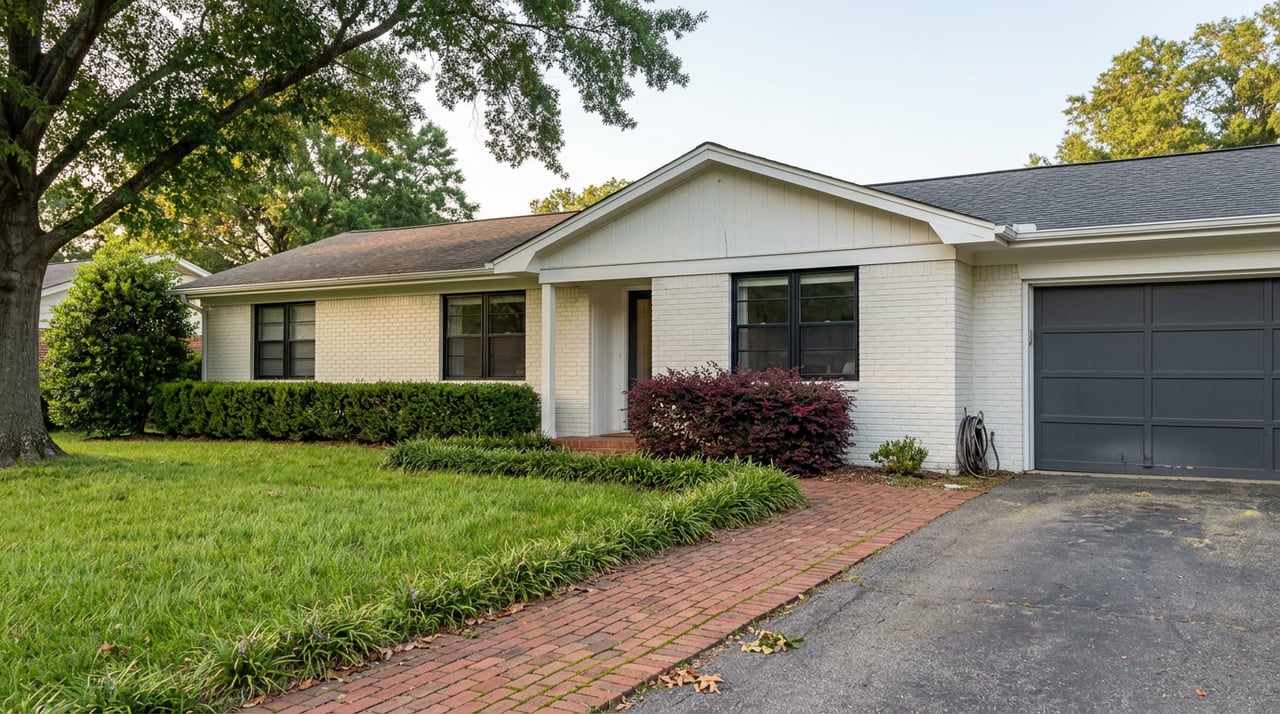
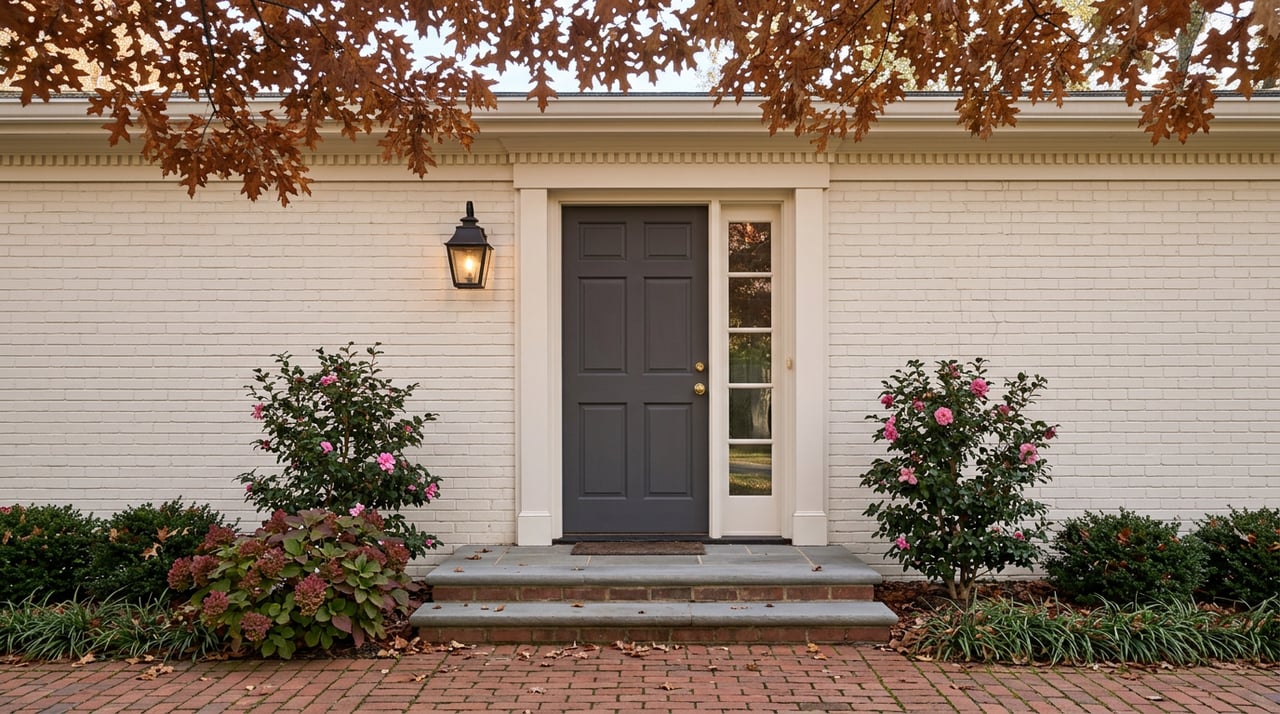
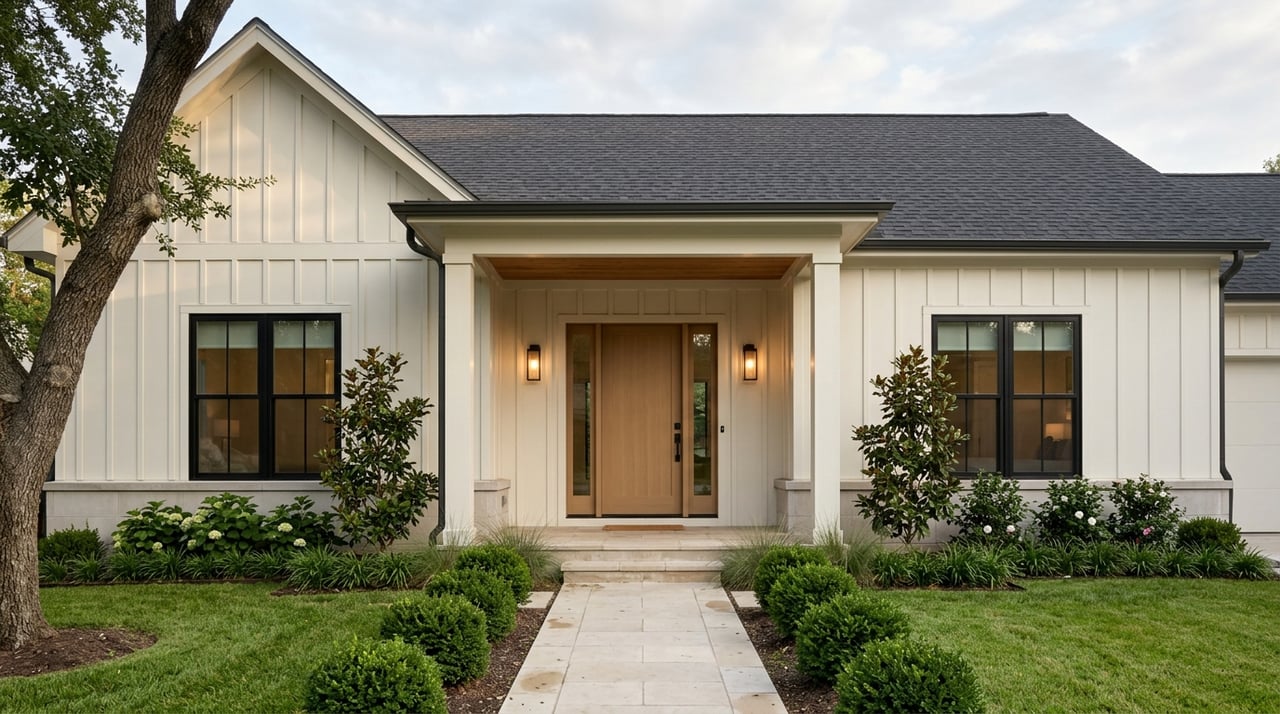
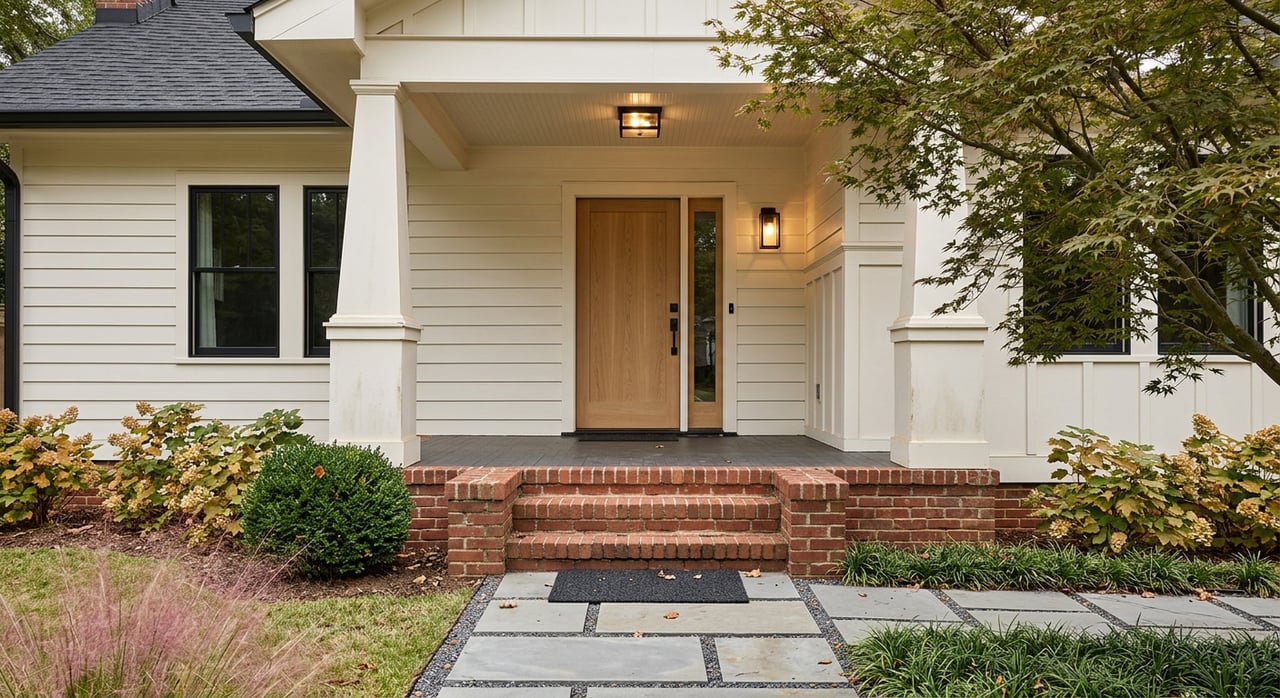
Many Plaza Midwood bungalows date to the 1920s through the 1940s. You often see front porches, original hardwoods, built-ins, and thoughtful millwork. Floor plans can be single level or one and a half stories, with modest original footprints that sometimes have tasteful additions. The result is a warm, one-of-a-kind home with a deeper lot and an easy walk to Central Avenue spots.
You can find a wide spread in pricing based on condition, lot size, location, and level of renovation. Some renovated 1940s bungalows have sold in the mid 500s, while selective restorations or expansions on prime streets have pushed above $1 million. In short, you are paying for craftsmanship, lot, and location. When you evaluate value, compare price per finished square foot and note functional differences such as single-level living or potential for future expansion.
Older systems eventually need attention. Roofs, windows, HVAC, electrical panels, and plumbing are common upgrade targets. Industry guidance suggests you budget 1 to 4 percent of home value per year for maintenance and repairs. On an $800,000 home, that is roughly $8,000 to $32,000 per year depending on age, condition, and updates. Research from Bankrate highlights that maintenance is often the single largest hidden cost of ownership, so set a conservative reserve and plan for the long game. You can review common cost drivers in Bankrate’s maintenance overview.
Modest, high-utility updates often recapture better at resale than fully bespoke remodels. Exterior improvements, targeted kitchen and bath updates, windows, and energy-minded upgrades typically show stronger returns than ultra-custom projects. For a data-backed view of recapture, browse the annual Cost vs. Value Report.
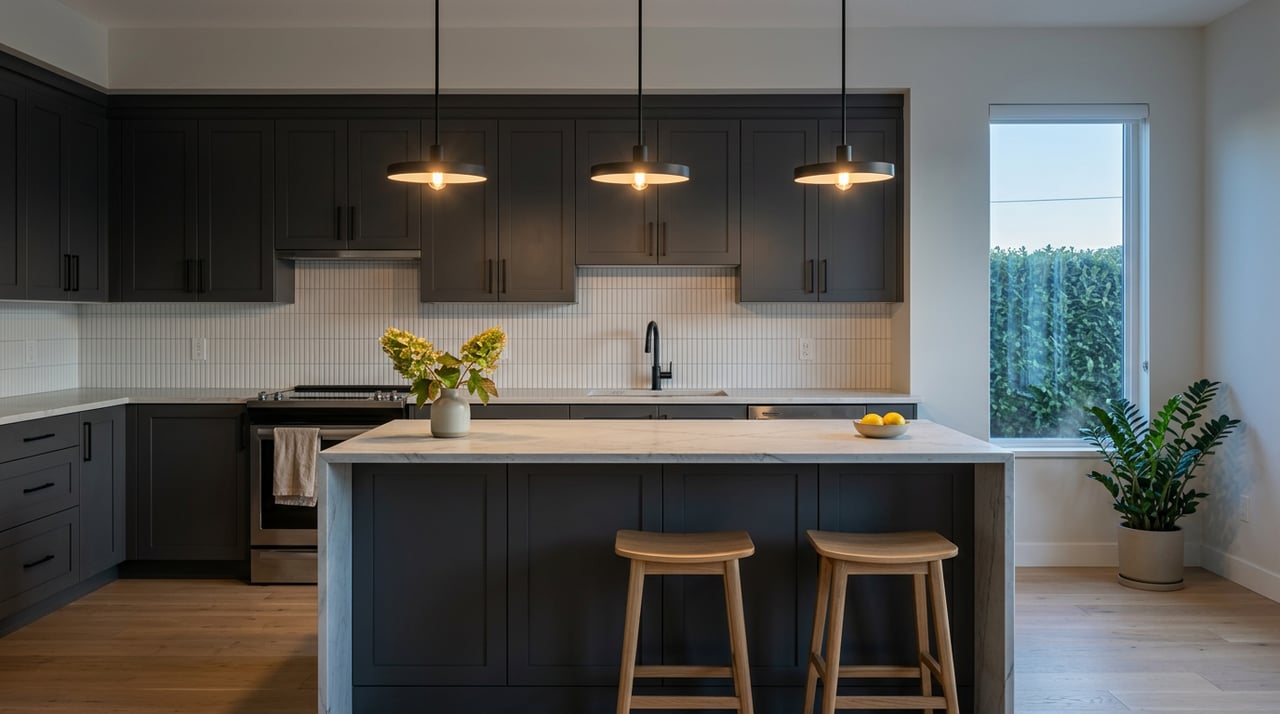
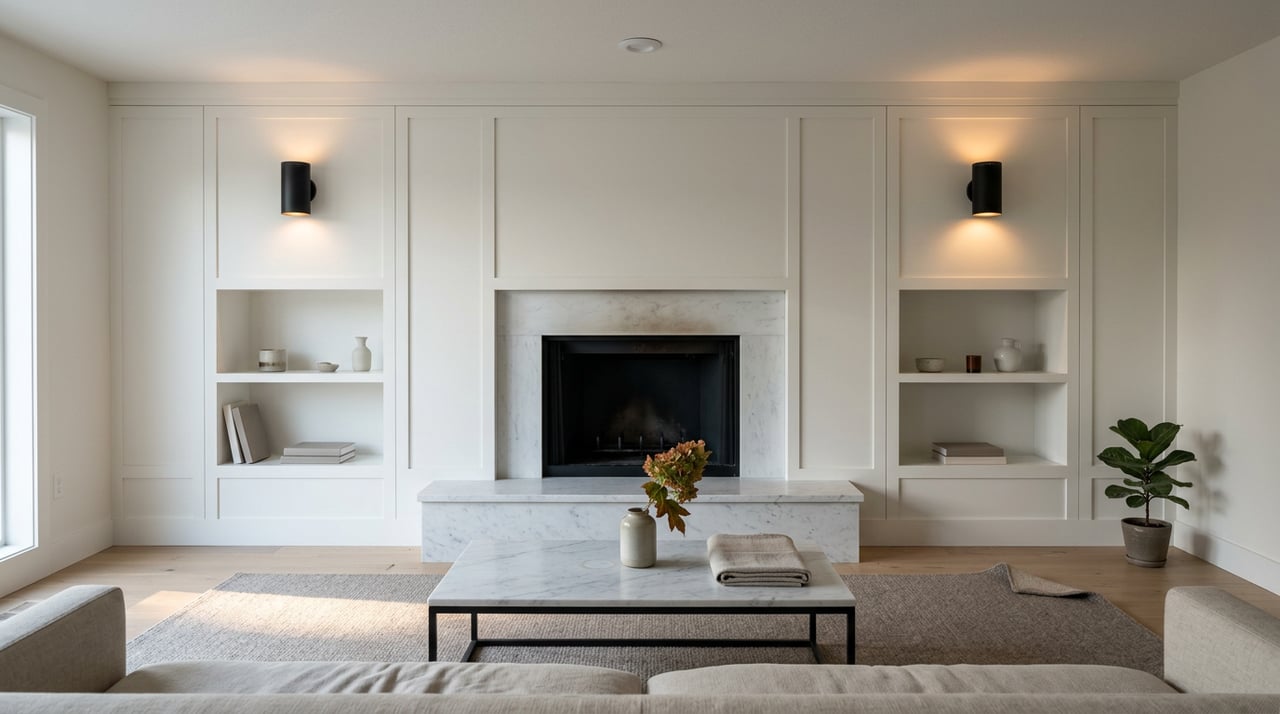
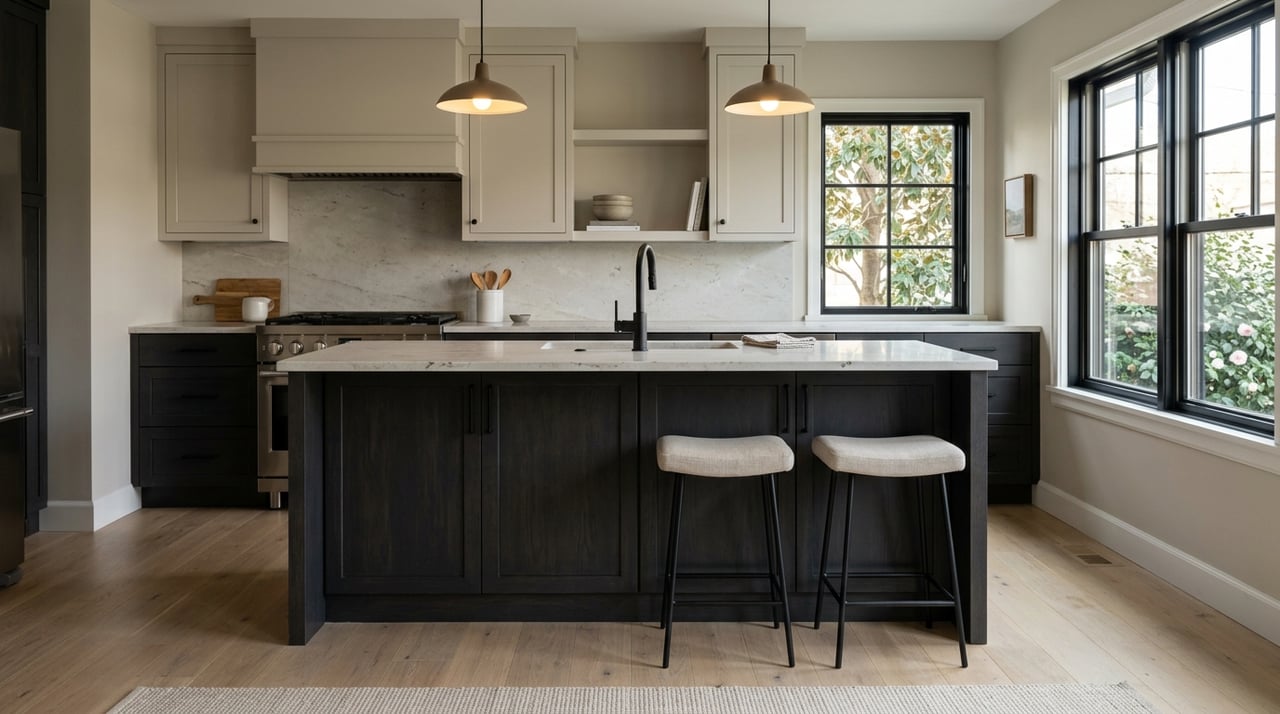
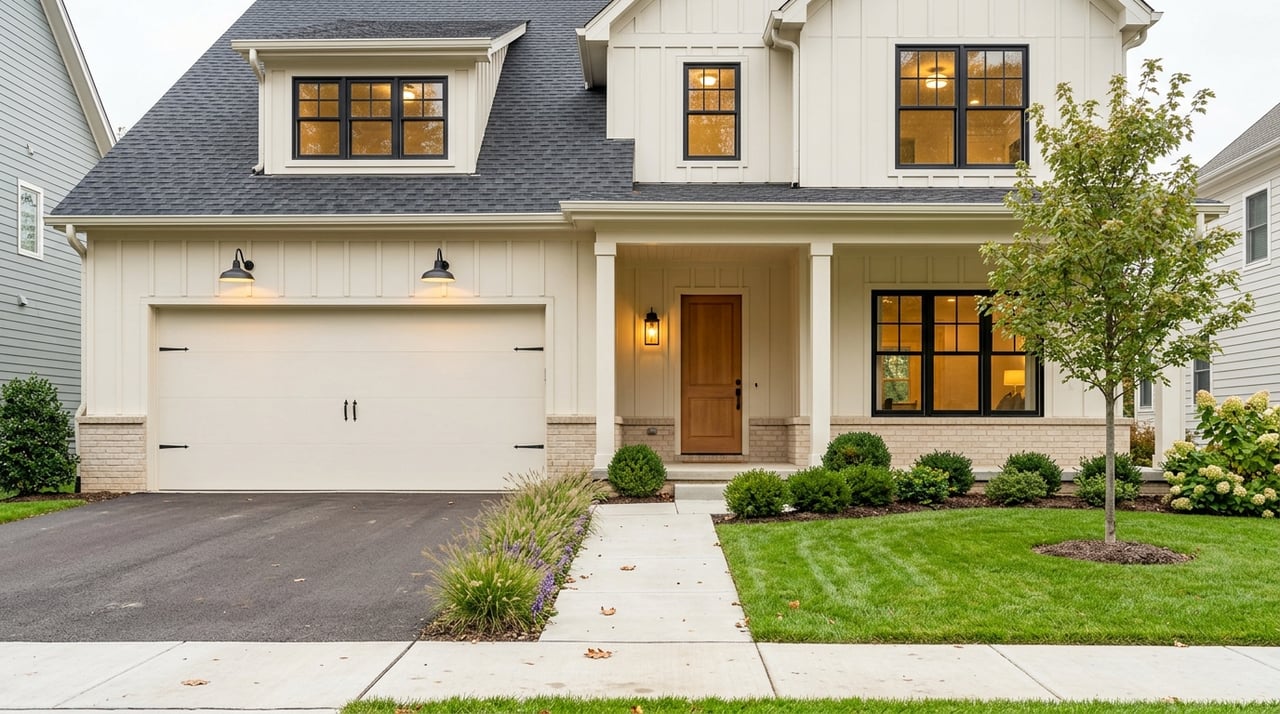
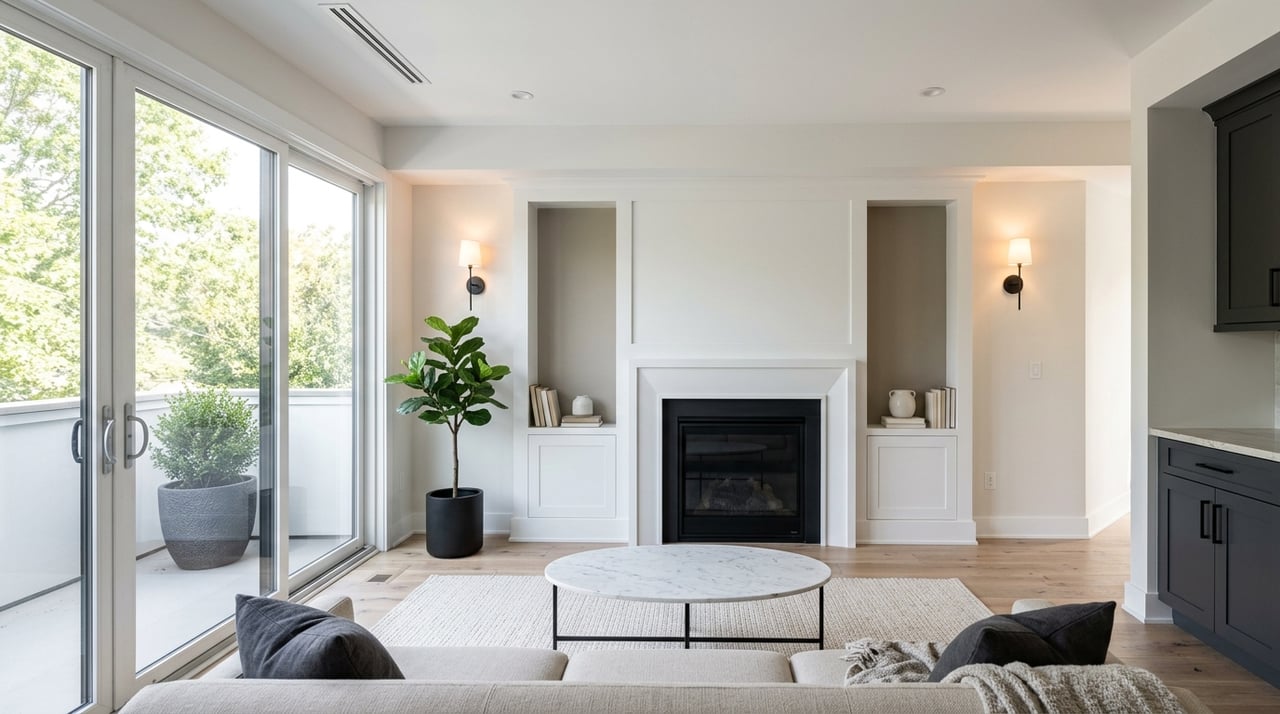
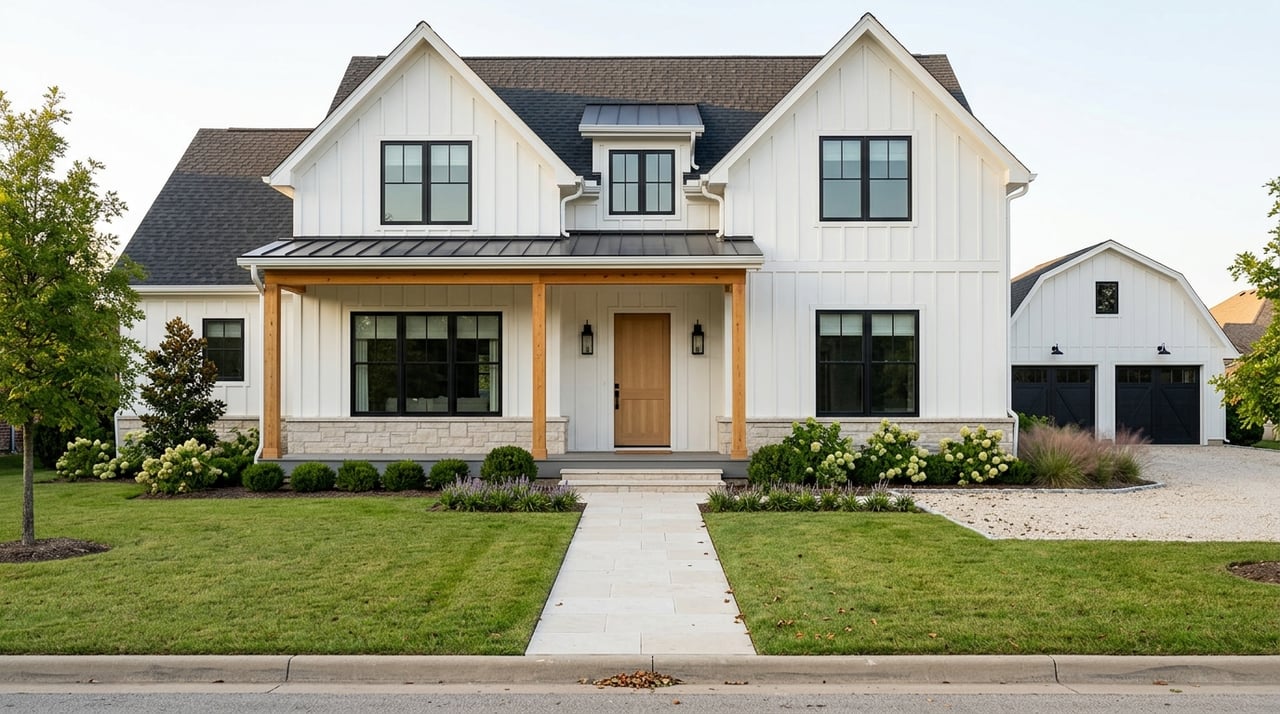
New builds in Plaza Midwood’s edges and nearby pockets often include 2 to 3 stories with open plans, modern kitchens, en suite bedrooms, and one or two car parking. You may see rooftop decks, small courtyards, or balconies instead of large yards. Mechanical systems are current to modern energy codes, which can reduce near-term maintenance and improve efficiency.
New townhomes and modern infill can command a premium for location and finishes, and many attached homes carry monthly HOA dues. In Charlotte, it is common to see townhome fees roughly in the low-to-mid hundreds per month, depending on the community and what is covered. Always review what the HOA fee includes, whether there is a master insurance policy, and the association’s reserve funding.
National reporting shows the premium for new construction has narrowed at times, and builders have used incentives and price adjustments in some recent quarters. This can help with affordability or monthly payment if you negotiate well. For context on national trends, read this summary on new home pricing and incentives.
Most reputable builders offer a 1-2-10 warranty model. That typically means one year for workmanship, two years for major systems like HVAC and plumbing, and ten years for structural coverage. Get the warranty in writing and understand exclusions before you close. You can learn how these programs are structured from industry warranty resources.
On the risk side, very narrow or highly vertical footprints may be less liquid on resale if they do not match neighborhood scale. Attached products also depend on the HOA’s financial health and rules. Review reserve studies if available, confirm insurance coverage, and check use restrictions such as exterior changes or rental limits.
Plaza Midwood’s fundamentals are strong. Proximity to Uptown, walkable amenities, and limited buildable land support long-term demand. In the historic core, local protections help preserve streetscape and neighborhood appeal, which can boost stability for well-located homes. At the same time, newer infill close to the core can score well with buyers who want modern plans and low-maintenance living.
Short-term median prices can jump around because the neighborhood often has a limited number of monthly sales. That is why you should focus on 3 to 5 year trend lines and block-level comps for a given home. Recent national reporting shows the new construction premium has narrowed at times while incentives have grown, which may help buyers of attached and small-lot products. Your best move is to compare true total cost and functionality for the way you live, then anchor pricing in fresh local comps.
The right Plaza Midwood home should match your lifestyle, timeline, and appetite for maintenance. Decide how you want to live day to day, set a realistic annual maintenance or HOA budget, and compare homes on both function and location. When you are ready, we will pull fresh neighborhood comps, walk you through inspections or warranties, and help you negotiate the best total package.
Have questions or want a custom comparison for a specific address? Connect with the Mahool Nance Team for a personalized market consultation.
Stay up to date on the latest real estate trends.