Cotswold’s New Construction Wave: What It Means For Homeowners
April 2, 2026
April 2, 2026
If you have owned a home in Cotswold for years, you may be asking a very practical question: what does all this new construction mean for my property? That is a smart question. Between new townhome projects, apartment development, and corridor improvements, Cotswold is clearly changing, and those changes affect how buyers compare homes, how builders evaluate land, and how you should think about your next move. Let’s dive in.
Cotswold sits in an older part of Charlotte with a housing base that dates back largely to the 1950s and 1960s. According to the City of Charlotte architectural survey, that mid-century foundation is part of what makes the neighborhood distinctive today.
At the same time, Charlotte continues to grow quickly. The city’s planning materials describe Charlotte as the 15th largest city in the U.S. and the 7th fastest-growing large metro area, which helps explain why established neighborhoods like Cotswold are seeing more infill, redevelopment, and reinvestment.
Cotswold is also evolving as a corridor, not just a residential area. The Monroe Road Streetscape project and the Monroe Road multiuse path show the city is investing in better pedestrian connections and a more complete-street environment around the neighborhood.
Several active and proposed projects show the direction of change in Cotswold.
The Colwick is a 234-unit apartment project at 4335 Colwick Road. It broke ground in September 2024 and is expected to finish in early 2027.
Axios reported amenities such as a pool, co-working space, fitness and yoga areas, a golf simulator, an event lawn, a game room, and a pizza oven. That tells you developers see demand for a more lifestyle-driven housing product in this area.
At 600 N Wendover Road, a rezoning petition proposes up to 40 attached townhome units on about 2.52 acres. The community meeting report associated with that petition discusses rear-loaded units, two-car garages, and an estimated selling price around $600,000.
That matters because it shows attached housing at a higher price point is viable in Cotswold. In other words, buyers are not only looking for traditional single-family homes.
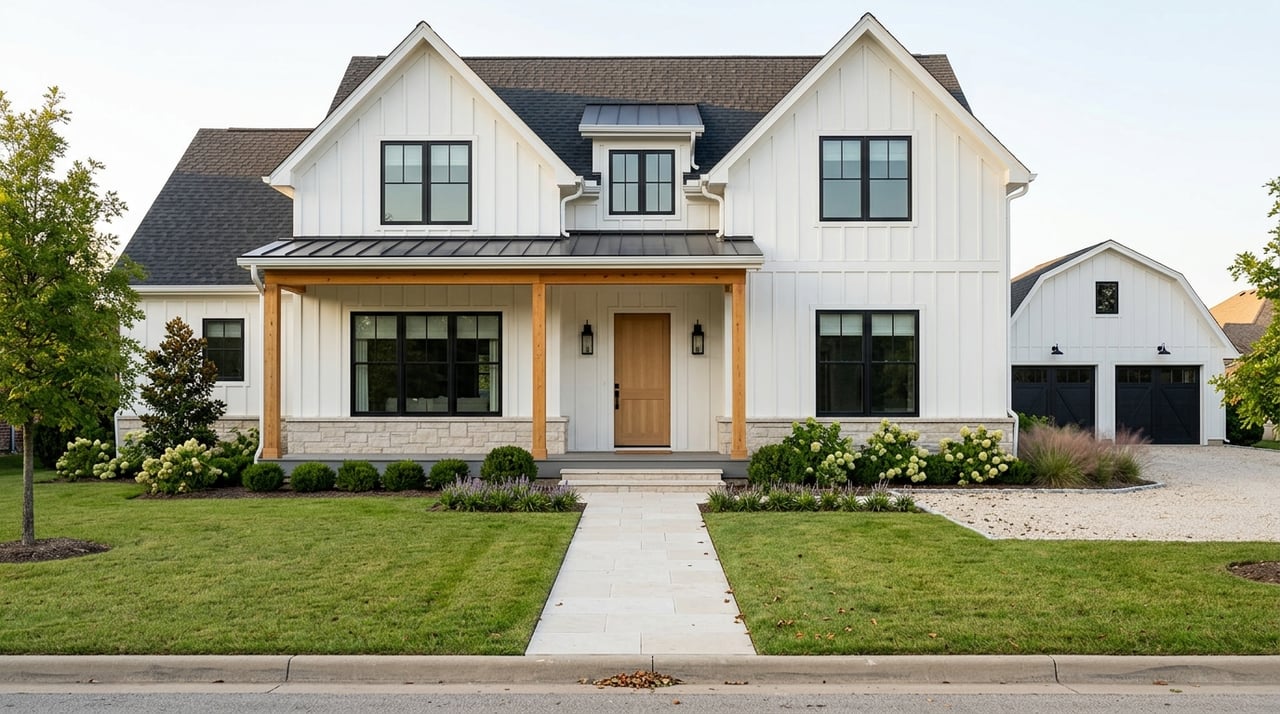
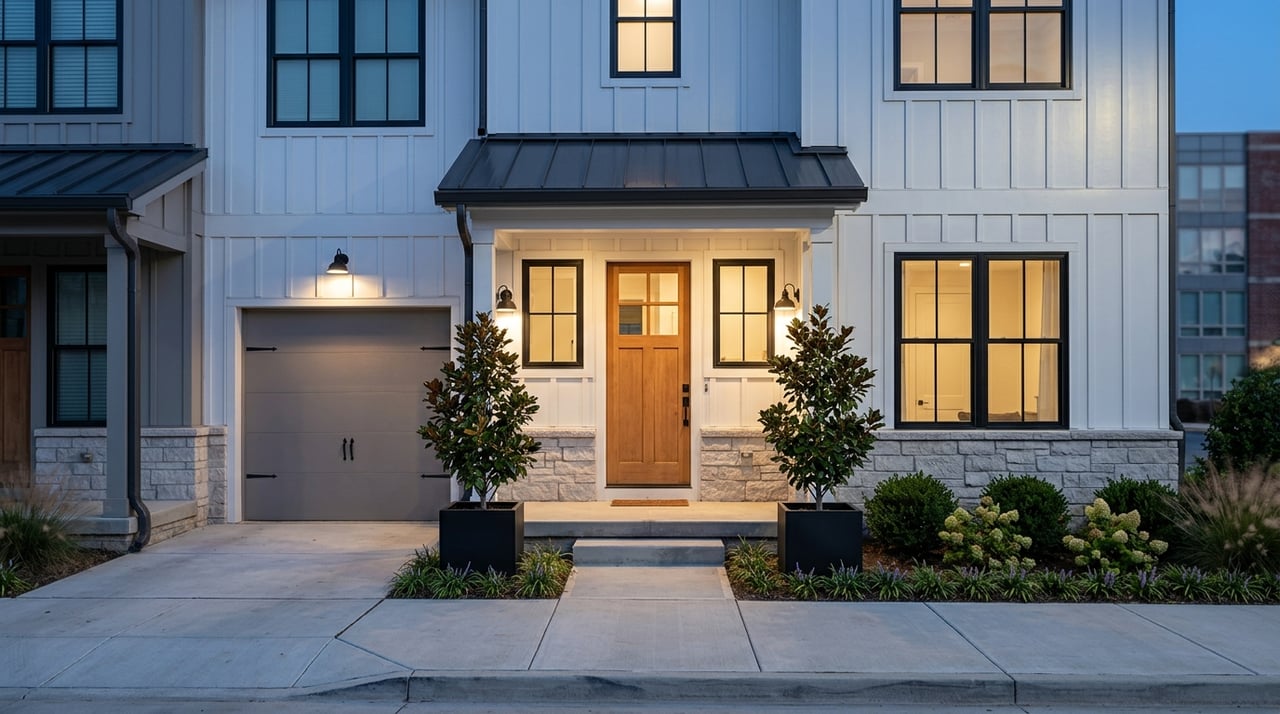
Central Living at Craig brings 73 three-story townhomes to Cotswold, priced from the mid-$400s. The project includes two- to three-bedroom plans and one- to two-car garages.
This adds another layer to the market. It means buyers who want newer finishes, lower-maintenance living, and efficient layouts can now stay in Cotswold instead of looking elsewhere.
City staff analysis for the 2024 rezoning in the Cotswold Village area says the area is shifting from an auto-centric suburban pattern toward a more mixed-use, pedestrian-oriented environment. That includes office, retail, restaurant, and residential development.
For homeowners, this is a big signal. It suggests that some parts of Cotswold may increasingly be valued not only for the homes themselves, but also for proximity to a more connected, modern daily lifestyle.
New construction does not automatically raise every home’s value in the same way. What it does change is the comparison set buyers use.
Today, a buyer in Cotswold may compare your home against an older renovated house, a brand-new townhome with a garage, or a new apartment community with amenity spaces. That means location still matters, but it may not be enough on its own if a home feels dated in layout, storage, parking, or outdoor living.
Current market data supports that more selective environment. According to Redfin’s Cotswold housing market data, the median sale price was $615,000 in February 2026, with a median of 98 days on market and a 98.8% sale-to-list ratio.
That is not a weak market. It is a market where buyers still see value in Cotswold, but they also have room to compare options more carefully.
Redfin also reported that 17.4% of homes sold above list price in February 2026. So while buyers are more measured than they were in a shortage-only market, strong homes are still getting rewarded.
The takeaway for you is simple: condition, presentation, and positioning matter more than they did when low inventory could carry almost any listing.
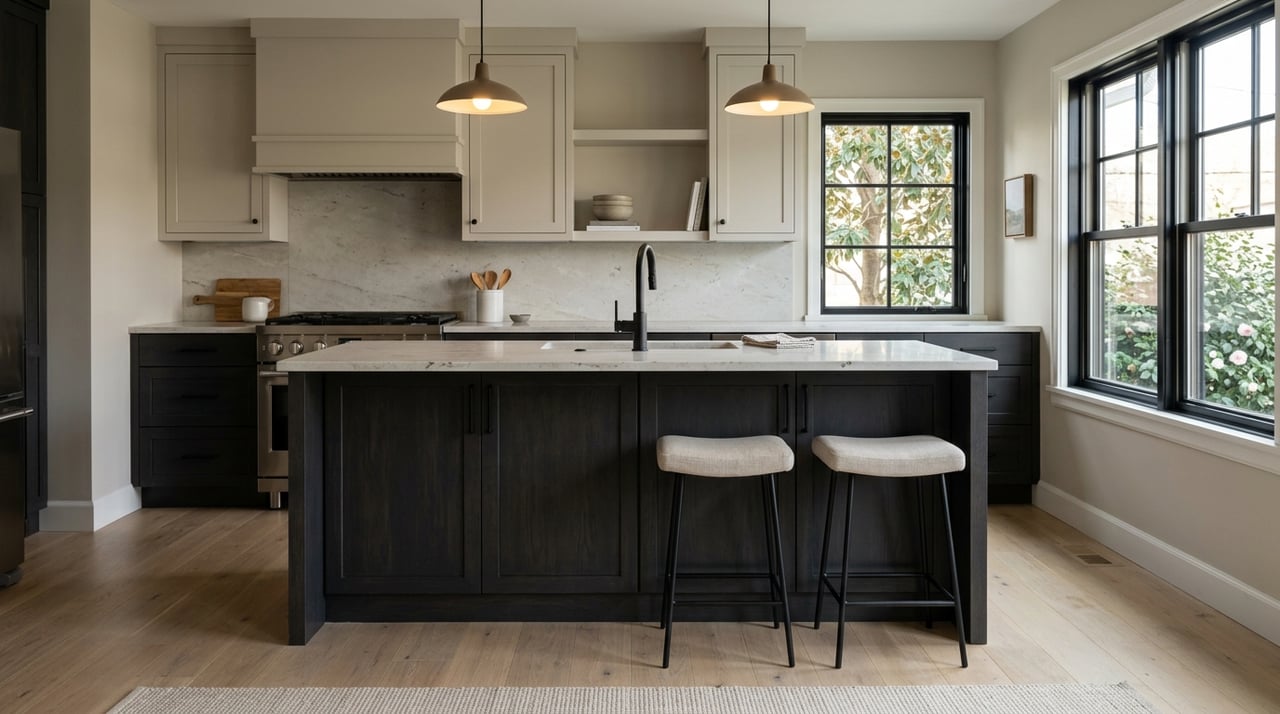
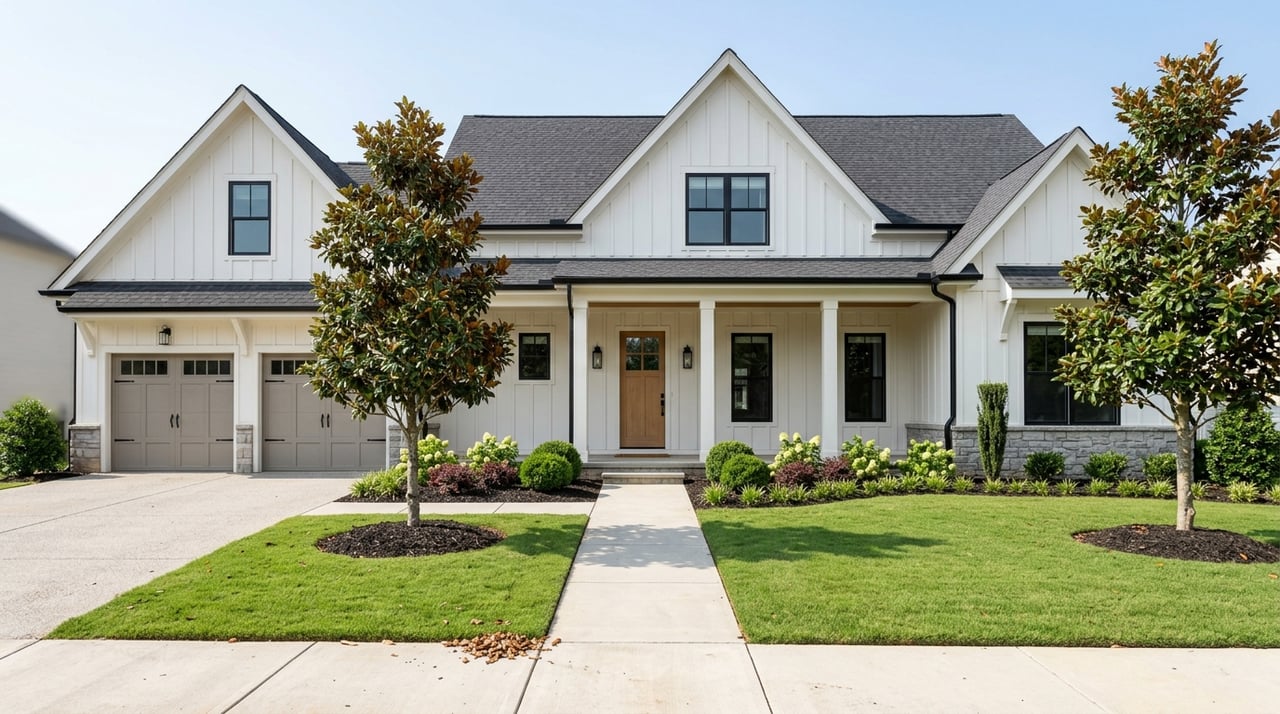
The newer projects in Cotswold give a clear picture of what many buyers now expect. Garages, flexible layouts, updated kitchens and baths, outdoor living features, and low-maintenance design are becoming more important.
Apartment projects are pushing expectations too. Co-working areas, fitness spaces, and social amenities help define what a “modern lifestyle package” looks like, even for people who ultimately buy a home instead of renting.
That does not mean every older home needs a full renovation. It does mean buyers are more likely to notice when a home feels functionally behind the market.
This is where Cotswold homeowners need to be strategic. In many cases, your property is starting to fit into one of two categories: a home that should compete as a renovated resale, or a parcel that may interest a builder because of redevelopment potential.
Renovating often makes more sense when the home has solid structure, the lot is not especially attractive for redevelopment, and the cost of improvements is lower than the value gap between your current home and nearby new product.
Charlotte’s Housing Diversity Program also supports preservation through rehabilitation, which is a useful reminder that not every older home is being treated as a teardown candidate.
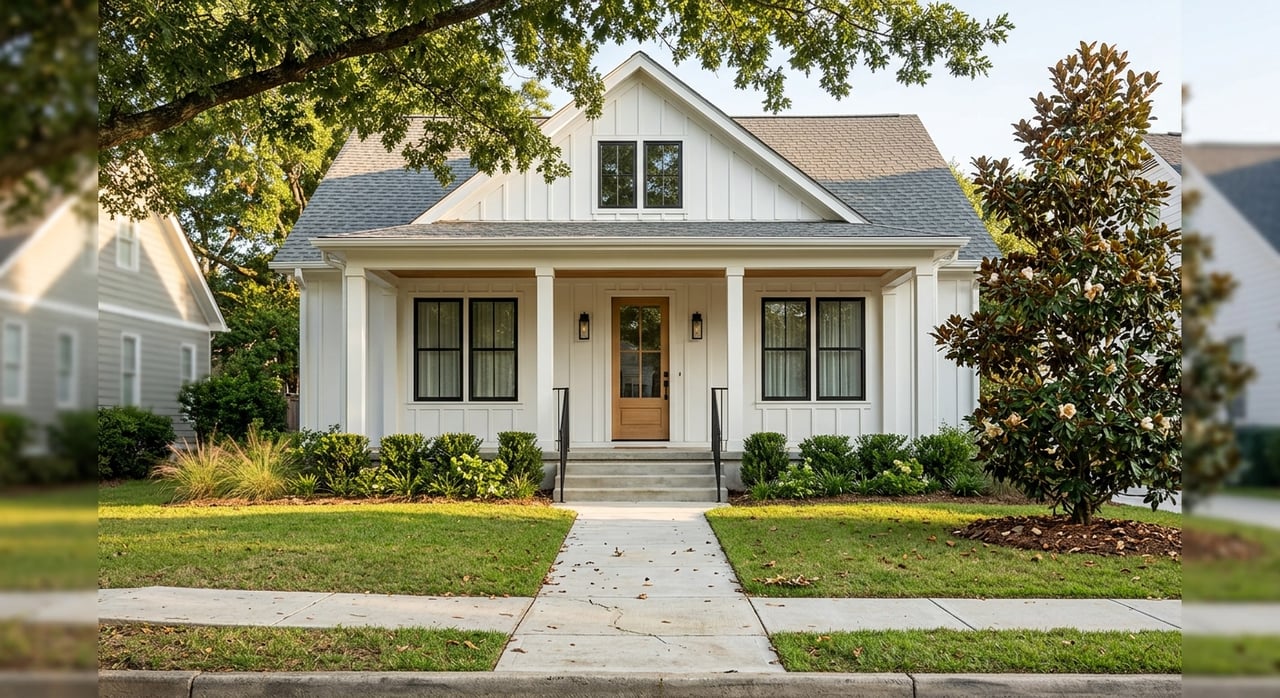
If your home has good bones and a strong location, targeted updates may help you compete very well without trying to mimic brand-new construction.
A builder sale can make more sense when land value is the real story. That is more likely when a parcel has redevelopment appeal, especially near areas where attached housing or mixed-use changes are already being discussed.
Still, a builder transaction is rarely simple. The city’s rezoning process requires a property owner to petition for zoning changes when the intended use falls outside the current district, and that means timing, entitlement, and public-process risks often affect what a builder can truly pay.
The community meeting report for 600 N Wendover gives a good window into that reality. It references issues such as slope, stream buffers, tree save, parking, and grading studies, all of which show how much diligence can sit behind a redevelopment plan.
Charlotte’s UDO affordable housing and infill incentives include tools that can improve feasibility in some situations. These include options like height or floor bonuses, reduced open-space requirements, and certain infill flexibility.
That does not mean every lot is a redevelopment opportunity. It does mean some parcels naturally attract more builder interest than others, especially when attached housing becomes more practical.
If you are not selling to a builder, your goal is not to outshine every new project on every feature. A better approach is to decide which lane your property belongs in and market it clearly.
If your home is best positioned as a resale, focus on the features buyers are already rewarding in newer products:
You do not need every trend. You do need a home that feels easy to live in.
Many older Cotswold homes have features that are hard to recreate. Depending on the property, those may include:
Those advantages matter because they offer something distinct. In a changing market, uniqueness can be just as valuable as newness.
The biggest mistake you can make right now is assuming every property should follow the same strategy. In Cotswold, value is increasingly splitting between homes that compete as updated residences and lots that may appeal as redevelopment sites.
That is why careful pricing, honest property evaluation, and neighborhood-level context matter so much. Before you invest in updates or respond to builder interest, it helps to understand which path best fits your home, your timing, and your goals.
If you want help weighing those options in Cotswold, the Mahool Nance Team offers personalized market guidance, valuations, and strategic advice tailored to your property and your next move.
Stay up to date on the latest real estate trends.