Thinking about adding a backyard cottage or converting space over your garage in Plaza Midwood? You are not alone. With steady in-town rental demand and flexible living needs, accessory dwelling units can be a smart way to add value and optional income. In this guide, you will learn how ADUs fit in Plaza Midwood, what Charlotte’s rules require, how to gauge rental potential, and a practical plan to move forward with confidence. Let’s dive in.
What is an ADU and why Plaza Midwood?
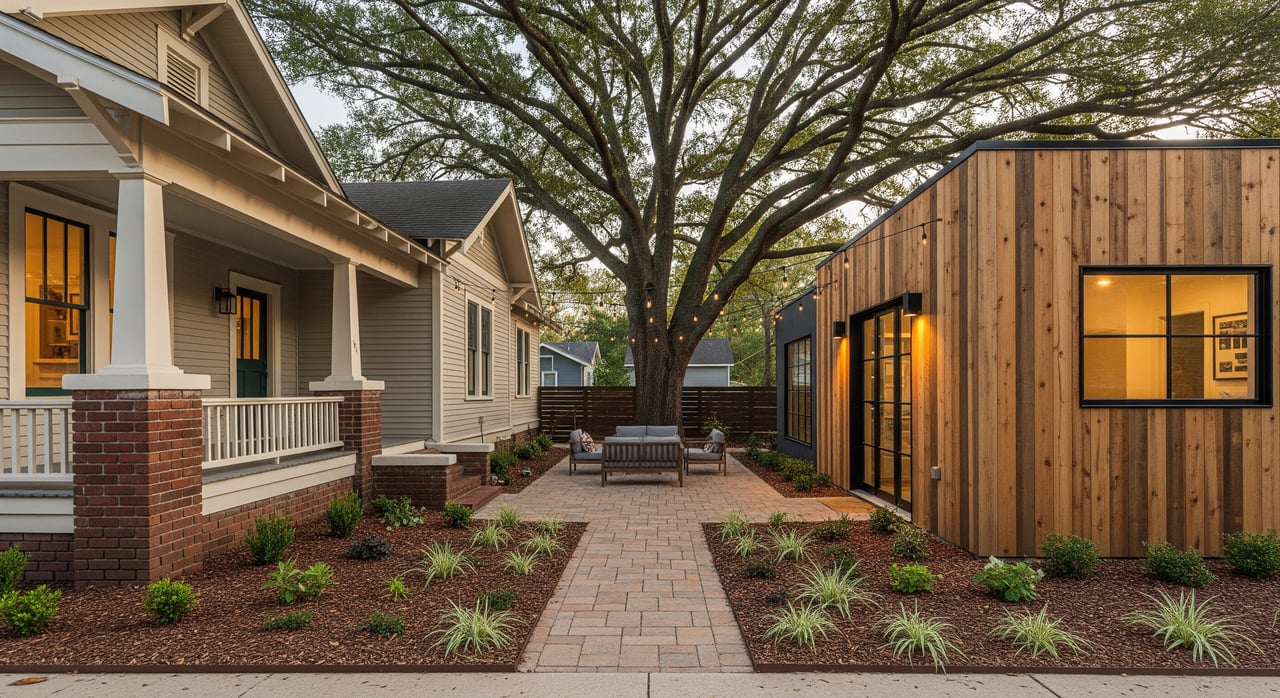
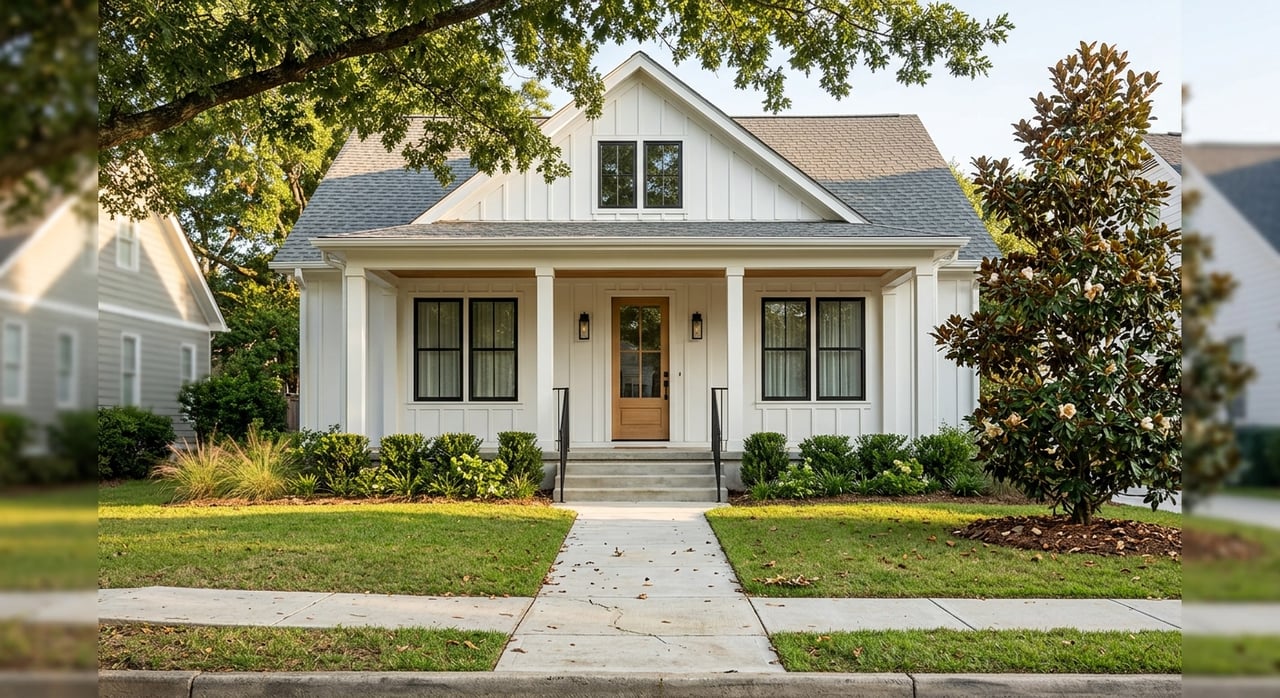
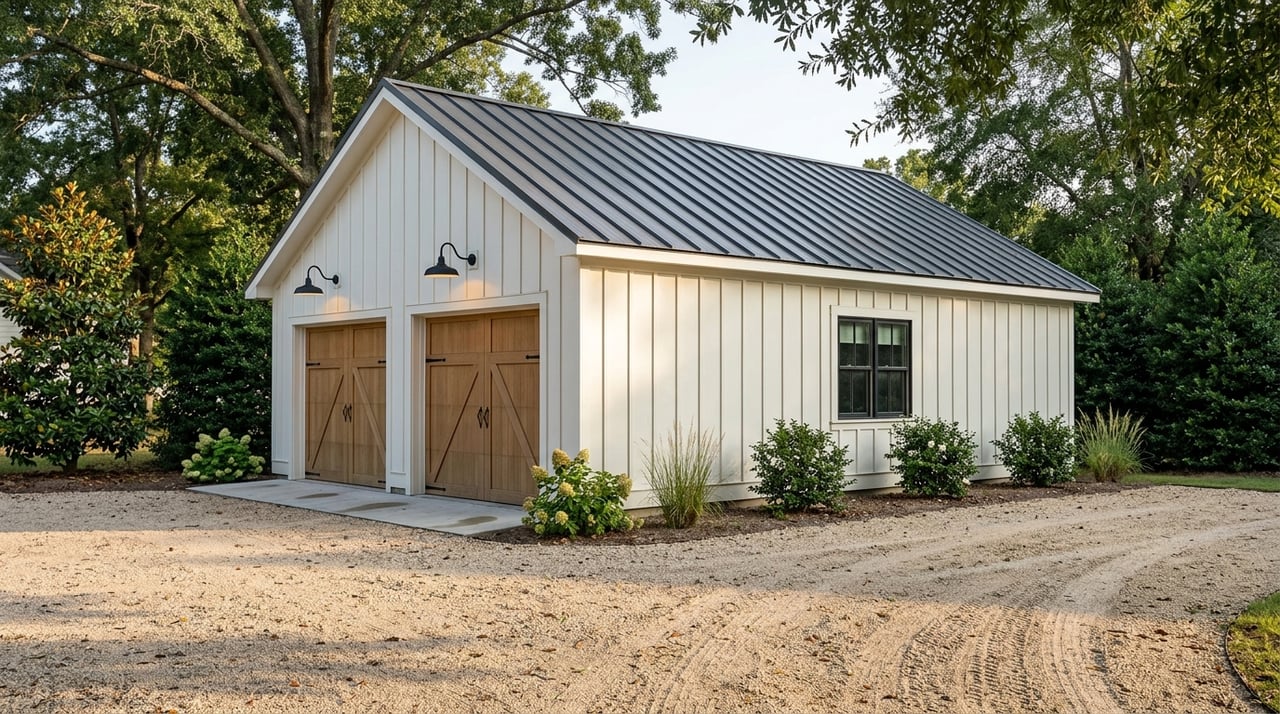
An accessory dwelling unit is a smaller, self-contained home on the same lot as a primary residence. It can be a basement apartment, a unit above a garage, an attached suite, or a small detached cottage in the backyard.
Plaza Midwood’s in-town location, walkable amenities, and mix of older lot patterns make ADUs a natural fit. Many parcels are narrow and rectangular, often about 40 to 60 feet wide and roughly 100 to 120 feet deep in older blocks. That shape favors smaller, well-designed units like a carriage house over the rear alley or a conversion over a garage. When you respect the neighborhood’s scale and character, an ADU can blend in and enhance overall appeal.
Start with Charlotte’s UDO rules
Before sketching floor plans, confirm what the Charlotte Unified Development Ordinance allows on your specific lot. The UDO sets where ADUs are permitted, the maximum size, setbacks, height limits for detached structures, parking, and rules for short-term rental use.
Rules can change, including owner-occupancy requirements or short-term rental limits. Always verify current policy with city staff and the UDO text before you invest in design or construction.
Plaza Midwood lot and neighborhood factors
Every site has its own opportunities and constraints. In Plaza Midwood, consider these early:
- Narrow lots and setbacks. Narrow street frontages limit detached footprints and placement. This makes interior or over-garage options attractive.
- Alley and rear access. Many blocks have alleys and rear garages. Rear access can simplify parking and reduce impact on the street.
- Historic or overlay districts. Parts of Plaza Midwood fall within historic areas where exterior changes may require design review. Coordinate design early if your home is contributing or within a mapped district. You can reach Historic Preservation resources through City Planning.
- HOAs and covenants. Townhome or condo HOAs can restrict accessory structures or rentals. Private covenants can be stricter than city zoning.
- Utilities, drainage, and trees. Most homes tie into municipal water and sewer, which helps. Tree protection, stormwater, and utility runs can affect cost and placement.
Thoughtful design that matches scale, materials, and massing typically earns smoother approvals and better neighborhood acceptance.
Rental potential: who rents ADUs here?
Plaza Midwood draws young professionals, singles, couples, and downsizers who want in-town living near Uptown, dining, and nightlife. That creates steady interest in small, quality units.
- Best-fit unit types. Studios and one-bedrooms with a private entrance do well. Off-street parking or easy access to transit can support higher rents.
- Long-term vs short-term. Long-term leases offer predictable income and fewer regulatory hurdles. Short-term rentals can earn higher nightly rates, but rules are tighter and can change. Confirm short-term rental policy in the UDO and with city staff before relying on that model.
To price accurately, compare recent nearby listings and talk with a local property manager about expected net income after vacancy, management fees, and maintenance.
Resale, lending, taxes, and insurance
A legal, well-designed ADU can boost overall value and widen your buyer pool to include investors and owner-occupants who want income or space for multigenerational living. Poorly designed or unpermitted units can hurt resale, so documentation matters.
- Lenders and appraisers. Some lenders consider ADU rental income when you qualify, often with lease history and compliant permits. Appraisers may reference comparable homes with income-producing units. Expect verification that the ADU meets code.
- Taxes and insurance. Rental income is taxable. Adding living space can raise your assessed value and property taxes. Insurers require disclosure of rental use and may adjust your coverage and premium. For rental law basics, review the North Carolina landlord-tenant statutes and consult your advisors.
Good paper trails and clean permits protect value when you sell and simplify underwriting if you refinance.
Cost, timeline, and risk at a glance
Budgets vary by ADU type and site conditions. Interior conversions and above-garage units often cost less than a detached new build. Key drivers include utilities, foundation work, finishes, design revisions, stormwater measures, and tree protection.
- Typical timeline. Zoning and feasibility can take a few weeks. Design and any historic review can add several weeks to months. Permitting often takes several weeks. Construction ranges from a few months for a conversion to longer for a ground-up detached unit.
- Main risks. Unpermitted work, missed setbacks, HOA conflicts, historic design changes, surprise utility costs, and shifting short-term rental rules. Build in contingencies and phase gates to control risk.
A practical feasibility checklist
Use this simple sequence to test and advance your ADU plan:
- Confirm zoning and overlays. Pull your parcel record and zoning, then verify ADU use and conditions in your district. The City Planning site links to zoning maps and contacts. For parcel details, use the Mecklenburg County GIS parcel search.
- Review UDO standards. Check size caps, setbacks, height, lot coverage, parking, and any owner-occupancy or short-term rental limits in the UDO.
- Historic/design review. If your property sits in a historic area or contributes to one, contact City Historic Preservation through Planning to understand design expectations and timelines.
- Order a site survey. Map setbacks, easements, alley access, utilities, and significant trees to guide placement and massing.
- Confirm utilities. Verify water and sewer capacity and whether new taps or upgrades are needed.
- Check covenants/HOA rules. Ensure no private restrictions block an ADU or rentals.
- Choose your ADU type. Compare an interior conversion, attached suite, or detached rear cottage based on lot width, access, and design fit.
- Budget and financing. Build a line-item estimate for design, permits, utilities, site work, construction, and contingencies. Explore options with lenders and ask if ADU income can be considered in qualification.
- Permits and schedule. Coordinate with the Charlotte Permit Center for submittals and inspections. Plan for phased approvals if design review applies.
- Property management plan. Decide whether to self-manage or hire a professional and ensure your lease complies with state law.
- Tax and insurance prep. Speak with your accountant and insurance agent about reporting income, depreciation, liability coverage, and policy updates.
How the Mahool Nance Team supports you
You do not have to navigate this alone. We help you evaluate feasibility at the address level, weigh rental and resale implications, and connect you with architects, lenders, and property managers who know Charlotte’s processes. Our neighborhood-first approach means you get clear, local guidance tailored to your goals in Plaza Midwood.
Ready to map out your next step? Connect with Lawrence & Marcus for a personalized market consultation with the Mahool Nance Team.
FAQs
Are ADUs allowed in Plaza Midwood in Charlotte?
What ADU types work best on narrow Plaza Midwood lots?
- Interior conversions, units above garages, and compact detached cottages at the rear are common fits because they respect setbacks and lot width while adding private entrances.
Can I use my Plaza Midwood ADU as a short-term rental?
- Short-term rental rules can change and may be restricted in some situations. Confirm current policy in the UDO and with City staff before you assume nightly rentals are allowed.
How do I estimate rent for an ADU in Plaza Midwood?
- Compare recent nearby listings for similar size and finish, then speak with a local property manager about expected net income after vacancy, fees, and maintenance.
Will adding an ADU increase my Mecklenburg County property taxes?
- Adding living space typically raises assessed value and property taxes. Contact the county tax assessor’s office for specifics on your parcel and planned scope.
Do lenders count ADU income when I qualify for a mortgage?
- Some lenders consider documented ADU income with leases and proof of compliance. Ask potential lenders early about their requirements and whether projected rent can be used.